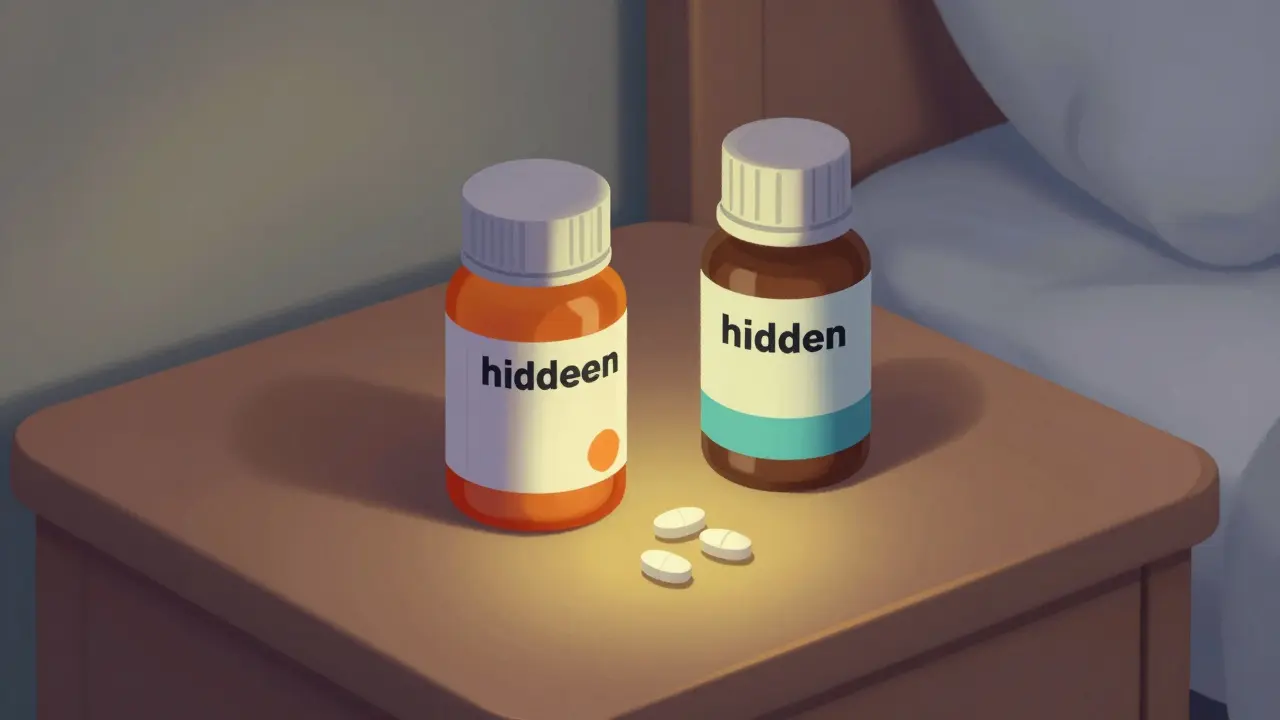
 Getting a headache or a fever is common, and reaching for a bottle of Tylenol is usually the first instinct. But there is a dangerous side to this convenience.
Acetaminophen is
a widely used over-the-counter analgesic and antipyretic medication used to treat pain and fever. While it is safe when used as directed, it is also the leading cause of acute liver failure in the United States. The scary part? You can take a toxic dose without feeling any immediate symptoms, making it a silent threat until the damage is already deep.
Getting a headache or a fever is common, and reaching for a bottle of Tylenol is usually the first instinct. But there is a dangerous side to this convenience.
Acetaminophen is
a widely used over-the-counter analgesic and antipyretic medication used to treat pain and fever. While it is safe when used as directed, it is also the leading cause of acute liver failure in the United States. The scary part? You can take a toxic dose without feeling any immediate symptoms, making it a silent threat until the damage is already deep.
The danger usually stems from a simple misunderstanding of dosage. For most adults, the safe ceiling is 4,000 mg in a 24-hour period. If you take 8 standard 500 mg pills in one day, you've hit the limit. Cross that line, and your liver struggles to process the drug. This leads to the buildup of a toxic byproduct called NAPQI. When your liver runs out of glutathione-the antioxidant that normally neutralizes this toxin-NAPQI starts attacking and killing liver cells. This is how a common medicine turns into a medical emergency.
Understanding the math is the best way to prevent an accident. Most healthy adults can handle up to 4 grams of acetaminophen daily. However, not everyone is the same. If you have certain risk factors, that "safe" limit drops significantly. For instance, people who drink alcohol regularly are 3 to 4 times more likely to suffer liver damage from the same dose as a non-drinker. This happens because alcohol changes how the liver enzymes work and depletes the very glutathione needed to stop the toxin.
Another huge risk is "hidden" acetaminophen. Many people don't realize that prescription painkillers, like certain opioids, often contain this drug. If you take a prescription pill and then follow it up with an over-the-counter cold medicine, you might accidentally double your dose. This is why checking every single ingredient list is a non-negotiable safety step.
| Risk Factor | Impact on Liver | Estimated Risk Increase |
|---|---|---|
| Chronic Alcohol Use | Depletes glutathione stores | 3-4x higher risk |
| Pre-existing Hepatitis (B or C) | Reduced liver reserve/function | 65% increase in vulnerability |
| Anticonvulsants (e.g., Phenytoin) | Induces CYP450 enzymes (more toxins) | 40% increase in risk |
| Malnutrition | Low protein leads to lower glutathione | 25-30% reduction in protection |
Liver damage doesn't happen all at once. It follows a predictable but deceptive timeline. If you suspect an overdose, knowing these stages can help you communicate with doctors, but remember: waiting for these symptoms to appear often means you've waited too long.
Stage 1: The Quiet Phase (0-24 hours)
In the first day, you might feel nothing at all. About 30-40% of people show no symptoms. If symptoms do appear, they are vague: nausea, vomiting, or just a lack of appetite. Because it feels like a mild stomach bug, many people ignore it, which is a critical mistake.
Stage 2: The Warning Signs (24-72 hours) This is where the liver begins to struggle. You'll likely feel pain in the right upper quadrant of your abdomen-where your liver is located. While you might feel slightly better than in Stage 1, blood tests start showing a rise in ALT (alanine aminotransferase) levels, signaling that liver cells are leaking enzymes into the bloodstream.
Stage 3: The Peak Crisis (72-96 hours) This is the most dangerous window. Liver failure becomes obvious. Jaundice (yellowing of the skin and eyes) appears in 92% of severe cases. You might experience confusion, a condition called encephalopathy, as toxins build up in the brain. Your blood may stop clotting correctly, and in severe cases, the kidneys start to fail as well.
Stage 4: Recovery or Failure (5 days onward) At this point, the outcome is decided. With the right medical intervention, 85-90% of patients make a full recovery. Without treatment, the mortality rate jumps to 25-40% due to multi-organ failure.
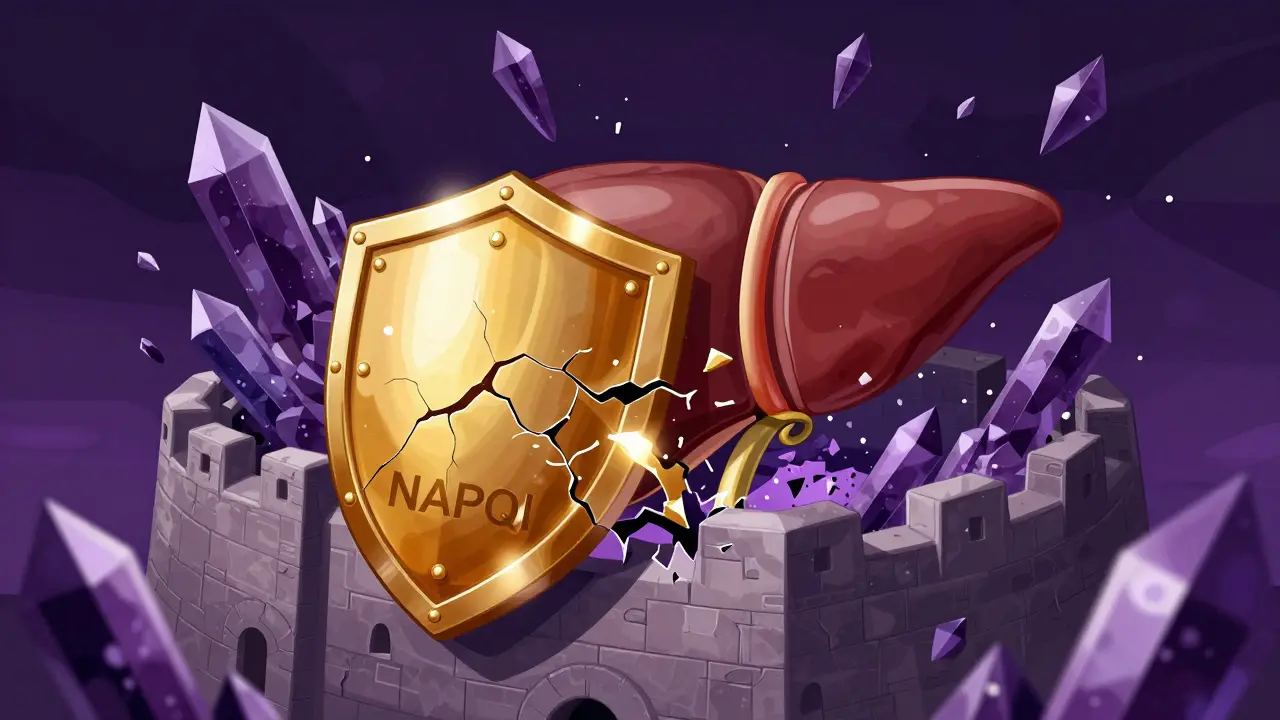
Time is the only variable that truly matters in an overdose. If you get treatment within the first 8 hours, the chance of death drops to less than 1%. Every hour you wait increases the risk of permanent liver damage by about 8.5%.
The first line of defense for someone who arrives at the ER within two hours is activated charcoal. This binds to the drug in the stomach and stops it from ever entering the bloodstream. Doctors then use the Rumack-Matthew nomogram-a specialized graph-to plot the concentration of the drug in the blood against the time since ingestion to decide if an antidote is needed.
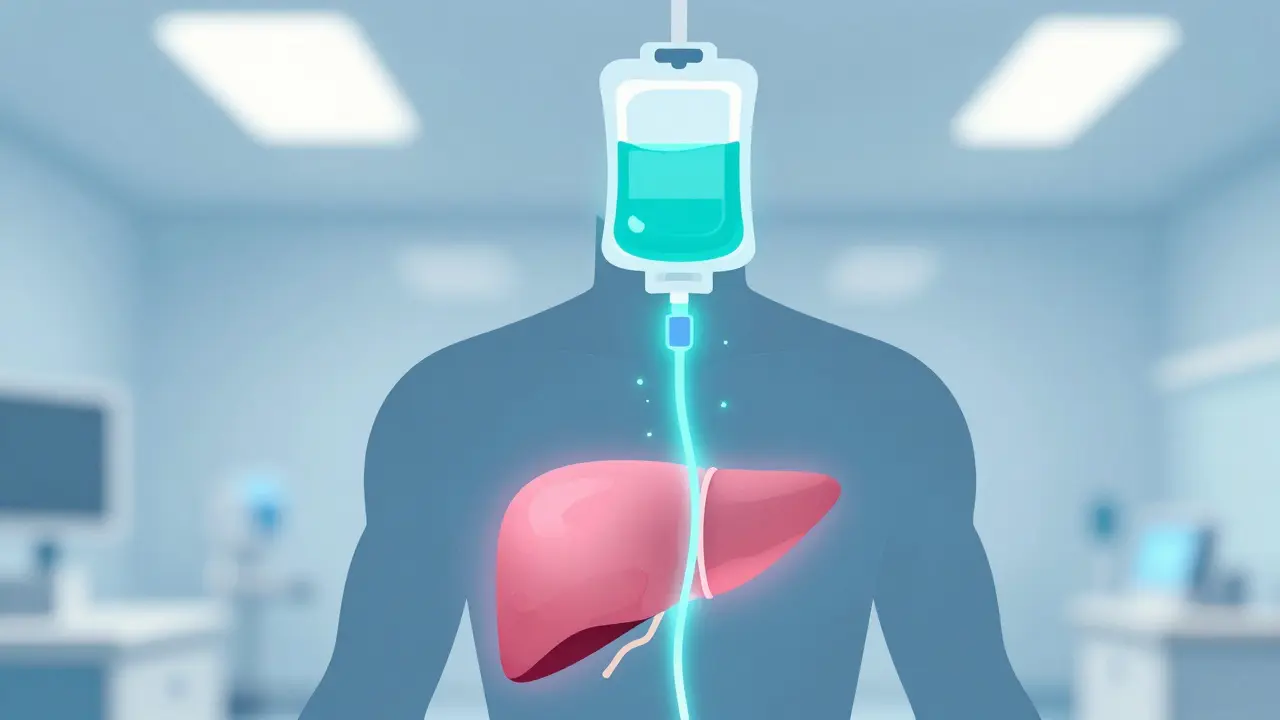
The gold-standard antidote is N-acetylcysteine (also known as NAC), a medication that replenishes glutathione and binds directly to toxic NAPQI to protect the liver. NAC is incredibly effective, but its power fades over time. While it is 98% effective within the first 8 hours, that efficacy drops to 55% after 15 hours. It is typically given intravenously over a 21-hour period, starting with a heavy loading dose to jumpstart the liver's defenses.
In rare instances-about 1-2% of severe cases-the liver is too damaged to recover on its own. Doctors use the King's College Criteria to decide if a patient needs an emergency liver transplant. If the blood's pH is too low, the clotting time (INR) is too high, and kidney function (creatinine) is failing, a transplant becomes the only way to survive.
The good news is that the liver is a remarkably resilient organ. For those who survive the acute phase and don't require a transplant, 92% see their liver function return to completely normal levels within three months. Modern medicine has turned what used to be a death sentence into a treatable condition, provided the window of opportunity isn't missed.
Generally, no. However, if you have severe liver disease or are malnourished, your liver's ability to process the drug is lower. In these cases, even a "normal" dose can be risky. Always consult a doctor if you have chronic health issues.
The earliest signs are often very mild and include nausea, vomiting, and general malaise. Because these feel like a common flu, many people delay seeking help. The absence of symptoms in the first 24 hours does NOT mean you are safe.
NAC is the standard of care and is highly safe. The most common side effect of the IV version is a rare allergic reaction (like flushing or hives), but the benefit of saving the liver far outweighs these risks.
Read the "Drug Facts" label or the active ingredients list. Look for the names Acetaminophen or Paracetamol. Be extra careful with "Combination" products (like Percocet or NyQuil), as they often blend pain relievers with other drugs.
Go to the emergency room immediately. Do not wait for symptoms like jaundice or pain to appear. Bring the medication bottle with you so doctors know exactly how many milligrams you ingested and at what time.


14 Responses
Just a heads up for everyone to always check the active ingredients in those multi-symptom cold meds because they almost always have acetaminophen in them and it's way too easy to double up without realizing it
The hubris of the modern consumer is truly a sight to behold. People treat these chemical cocktails like candy, oblivious to the biological toll. We prioritize the immediate cessation of a minor headache over the long-term integrity of the liver, a trade-off that is fundamentally illogical. One must contemplate why the pharmaceutical industry masks these dangers in such palatable packaging. It is a classic case of systemic negligence meeting individual ignorance. The liver is the body's silent sentinel, and we treat it with utter disregard. True wisdom lies in the prevention of the crisis, not the clinical management of the aftermath. The reliance on NAC as a magic bullet only encourages further recklessness. We should be discussing the philosophy of pain and the necessity of endurance rather than the mechanics of toxicity. This cycle of over-consumption and emergency intervention is a symptom of a larger societal decay. If one cannot manage a fever without risking total organ failure, perhaps the problem isn't the drug, but the fragility of the modern human condition. It's simply pathetic how we've traded caution for convenience.
That part about the 8-hour window is so critical. If you're worried, just go in. It's better to have a false alarm than to wait until you're yellow.
Oh sure, just trust the 'Drug Facts' label completely. I'm sure the corporations have our best interests at heart when they hide the dosage in a font size that requires a microscope to read.
Exactly! They want us hooked on these pills so we don't look for the real cures. It's a total racket. The 'safe ceiling' is probably just a guess by some suit in a boardroom to keep the lawsuits at bay. Pure corporate alchemy if you ask me.
Please, the idea that a simple 'label' protects us is laughable. This is all part of a larger design to make us dependent on the medical complex for everything from a sneeze to a liver transplant. It's quite obvious to anyone with a shred of intellect that the thresholds are manipulated.
ppl really dont read labels... its crazy how many ppl just swallow things without lookng. dont be a statistcs!!
Ugh, can you imagine being so clueless that you actually overdose on Tylenol? 🙄 Like, read a book or something! Only in this country would people be this dense 🇺🇸💅
The irony is that we call it a 'silent threat' while we scream at the doctors when the damage is already done. It's just a cycle of failure.
Omg, let's all just get along!!! ❤️ But also, lol at the people who think a 'safe' dose is actually safe when they're drinking a bottle of wine every night!!! 🍷😂
It is imperative that every individual takes responsibility for their health immediately! There is no excuse for ignoring the warning signs of liver failure!
Imagine the drama of the 72-hour mark. Total chaos in the body. Just absolute madness.
We must emphasize the importance of the Rumack-Matthew nomogram for all healthcare providers to ensure no patient is left behind in those critical first hours!
I've always found that taking a moment to really understand how our internal chemistry works can be such a rewarding experience, and while the technical side of acetaminophen toxicity is quite daunting, it's actually a great opportunity for us to learn about the incredible resilience of the human liver, which is truly one of the most hardworking organs we have, and if we just take a breath and approach our medicine with a bit more mindfulness and care, we can all navigate these risks together as a community.