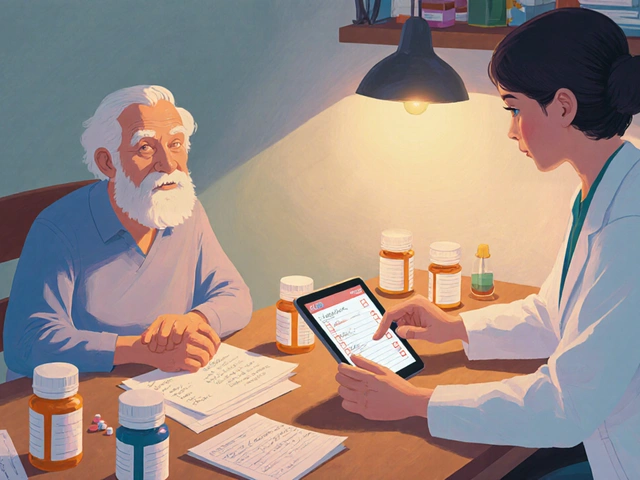
 Imagine a hospital where a single decimal point error or a misunderstood dropdown menu results in a patient receiving ten times the required dose of a potent drug. It sounds like a nightmare, but according to the Agency for Healthcare Research and Quality, medication errors cause roughly 1.3 million injuries and over 7,000 deaths every year in the US alone. This isn't just about individual carelessness; it's a systemic challenge that requires a complete overhaul of how we prescribe, dispense, and administer medicine.
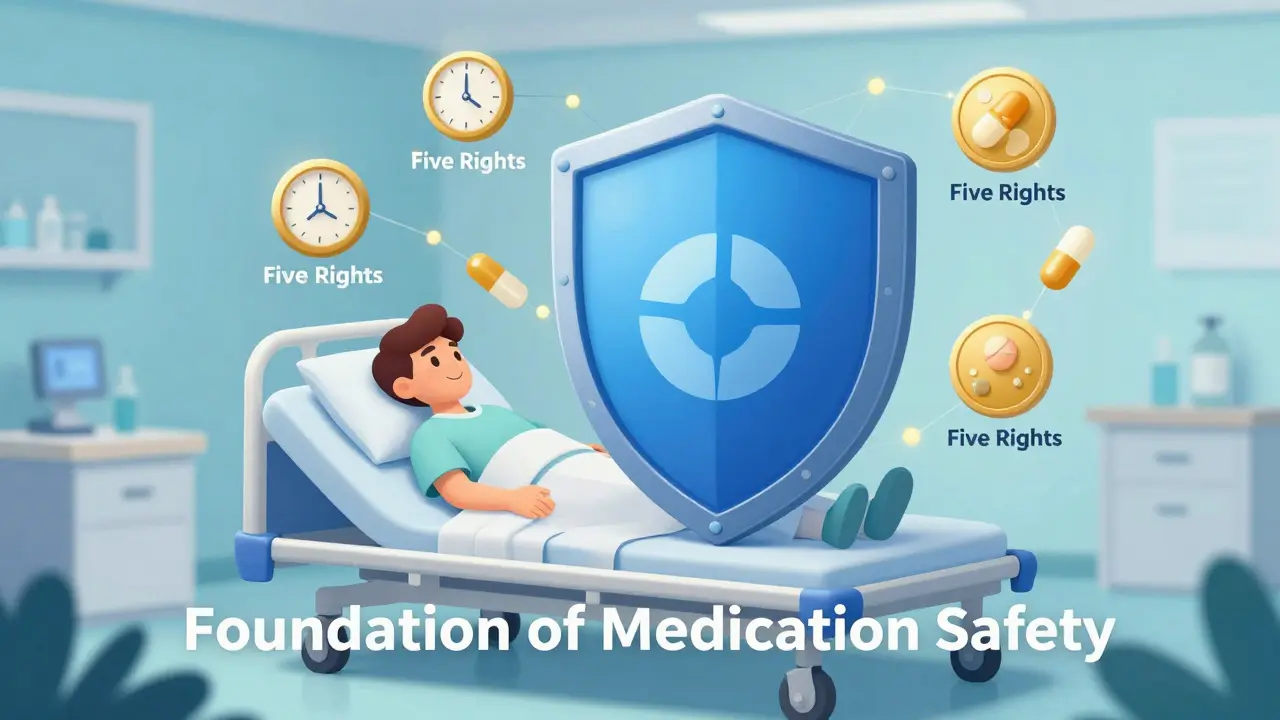
At its core, Medication Safety is a systematic approach to preventing errors and minimizing risks throughout the entire process of using a drug. It isn't just about the moment a nurse gives a pill; it starts with the prescription and ends when the patient swallows the dose. The World Health Organization (WHO) launched the "Medication Without Harm" initiative to tackle this globally, aiming to slash severe, avoidable harm by half.
For the average provider, this means moving beyond basic knowledge. As the American College of Obstetricians and Gynecologists (ACOG) points out, safety begins with a deep familiarity with available medications and how they actually apply to a patient's specific condition. If you're guessing or relying on a vague memory, the risk of a mistake skyrockets.
Not all drugs carry the same risk. Some are labeled as High-Alert Medications, which are drugs that bear a heightened risk of causing significant patient harm when used incorrectly. Take intravenous oxytocin, for example. A small mistake in dosing here can lead to catastrophic outcomes. Because of this, these medications require specialized protocols-double-checks, specific labeling, and restricted access.
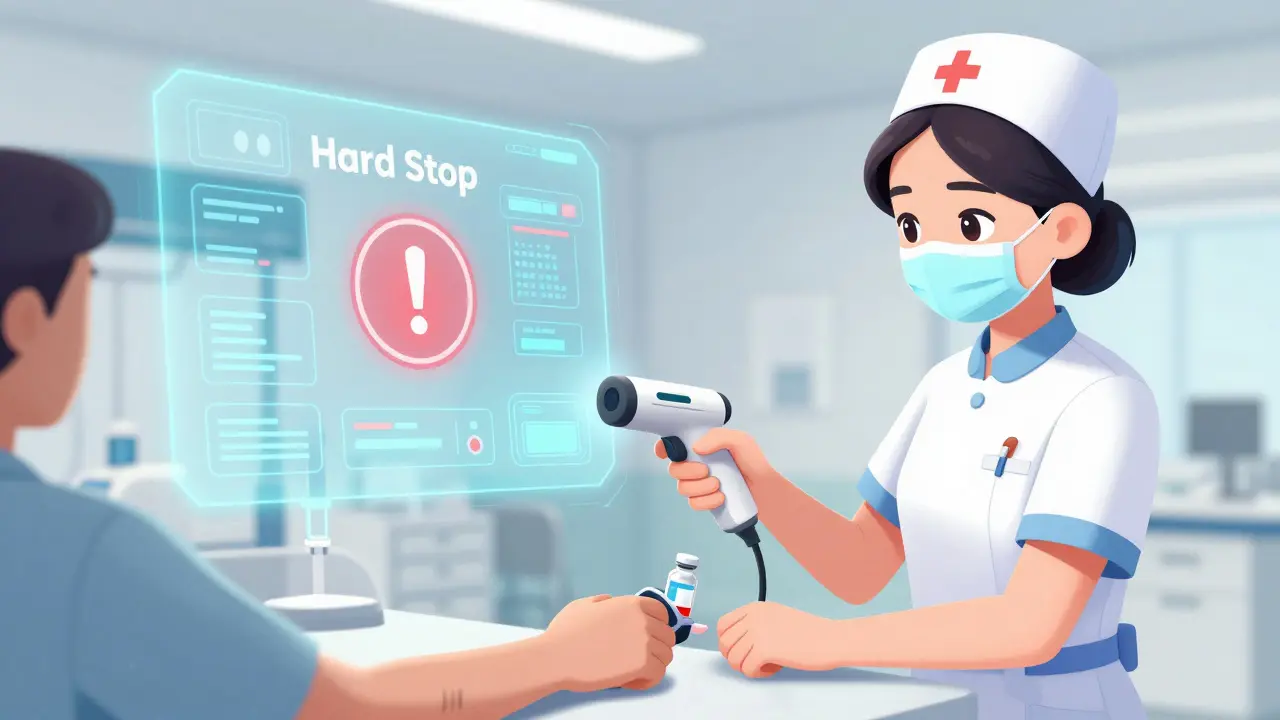
Another classic example is oral methotrexate. The Institute for Safe Medication Practices (ISMP) noted a fatal trend where weekly doses were mistakenly administered daily. To fight this, high-performing hospitals now use "hard stop" verifications in their software. If the clinician doesn't verify a specific oncologic indication, the system simply won't let the order go through.
| System Type | Estimated Error Reduction | Main Benefit | Primary Drawback |
|---|---|---|---|
| BCMA (Barcode Scanning) | 41.1% | Verifies the "Five Rights" | High initial cost ($250k+) |
| CPOE (Electronic Ordering) | 48% - 55% | Eliminates handwriting errors | Dropdown/Default menu errors |
| Embedded Pharmacists | Up to 81% | Real-time verification | Staffing cost/Availability |
We've shifted from paper charts to Electronic Health Records (EHR), and while that sounds like a win, it's a double-edged sword. EHRs are digital versions of patient charts that allow for real-time data sharing. They come with Clinical Decision Support (CDS) systems that trigger alerts for drug interactions or dosage errors.
But here is the problem: alert fatigue. When a system throws twenty warnings at a doctor during a single encounter, the doctor starts ignoring them. Research shows clinicians override between 49% and 96% of alerts. When you click "ignore" out of habit, you might accidentally dismiss a warning about a lethal drug interaction. This is why systems need to be tuned to only show high-criticality alerts.
Then there's Barcode-assisted medication administration (BCMA). This requires scanning the patient's wristband and the medication package. It's the gold standard for ensuring the "five rights": right patient, right drug, right dose, right route, and right time. However, it's not foolproof. In emergency situations, nurses often find "workarounds"-like scanning a printed barcode on a sheet instead of the patient-which completely defeats the purpose of the technology.
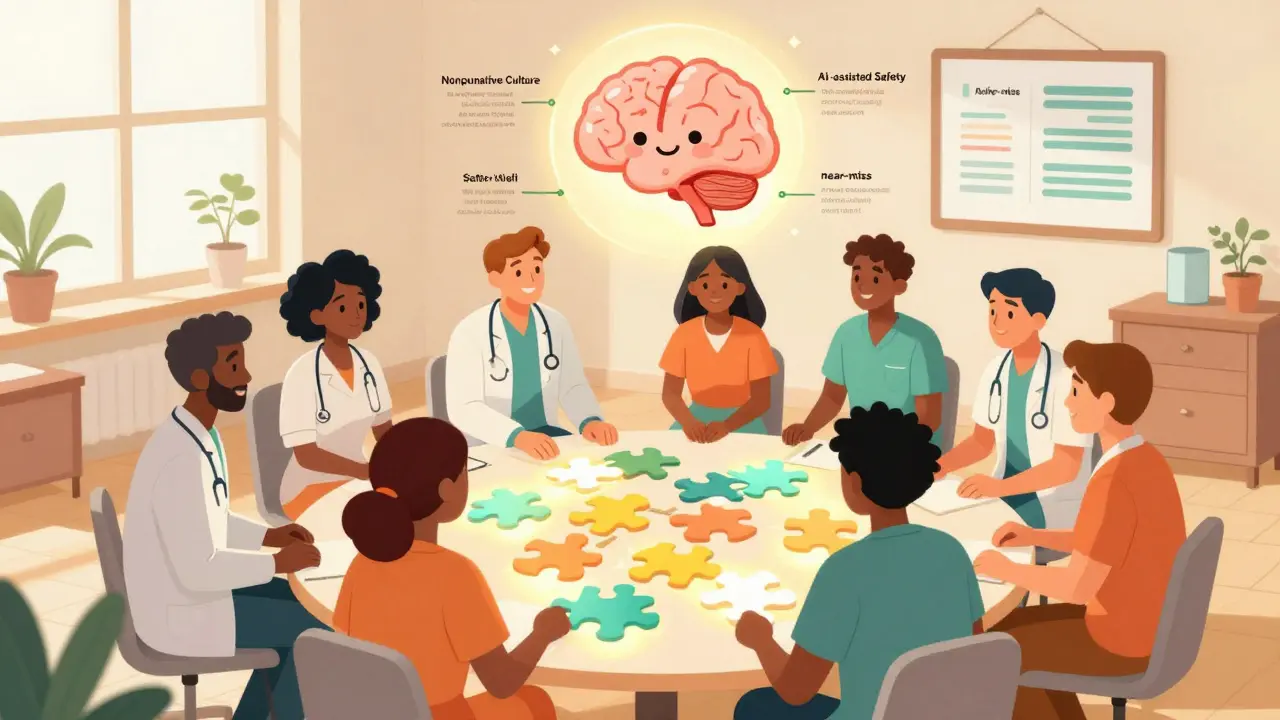
You can have the most expensive software in the world, but if your culture is punitive, people will hide their mistakes. A "blame culture" leads to silenced errors. Conversely, a nonpunitive approach encourages transparency. When a provider feels safe reporting a "near miss," the hospital can conduct a root cause analysis to fix the system so the error doesn't happen again.
Training shouldn't be a one-time orientation event. The AHRQ recommends a structured approach:
Resistance to change is real. About 42% of nursing staff initially resist BCMA because it slows them down. The trick is providing proper support during the first six months; once the workflow becomes second nature, compliance usually jumps to 95%.
We are entering the era of AI-assisted prescribing. Early studies suggest that AI algorithms can identify 89% of potential prescribing errors-significantly better than the 67% detection rate of standard CDS systems. These tools can analyze a patient's entire history, including social determinants of health and genetic markers, to predict how they will react to a specific drug.
However, this brings a new risk: over-reliance. If a provider trusts the AI blindly, they stop using their own clinical judgment. The FDA has already seen an increase in adverse events related to EHR usability issues, proving that technology is a tool, not a replacement for a knowledgeable clinician.
The "five rights" are a fundamental safety check to ensure the right patient receives the right drug, in the right dose, via the right route, at the right time. BCMA systems are designed to automate the verification of these five elements.
Hospitals can reduce alert fatigue by streamlining Clinical Decision Support (CDS) rules to eliminate low-priority warnings. Focusing on "hard stops" for high-risk drugs and using tiered alerts (low, medium, high) helps clinicians prioritize the warnings that actually matter for patient safety.
Medication reconciliation prevents errors when a patient moves from one setting to another (e.g., hospital to home). It identifies discrepancies such as omitted medications, duplicate therapies, or incorrect doses that often occur during hand-offs.
A nonpunitive culture is one where healthcare providers are encouraged to report errors and near-misses without fear of punishment. This shifts the focus from "who made the mistake" to "why the system allowed the mistake to happen," allowing for systemic improvements.
Despite the benefits of EHRs, a significant percentage of errors-roughly 34%-stem from incorrect default values or accidental selections from dropdown menus, highlighting the need for better user-interface design.
If you're managing a clinical team, start by conducting a safety culture assessment using the AHRQ Hospital Survey on Patient Safety Culture. Look for gaps in "organizational learning" and "teamwork across units." For individual practitioners, getting comfortable with point-of-care tools like Lexicomp or Epocrates can provide an immediate extra layer of verification before a dose is administered. Finally, always encourage your staff to report near-misses; today's reported near-miss is tomorrow's prevented catastrophe.