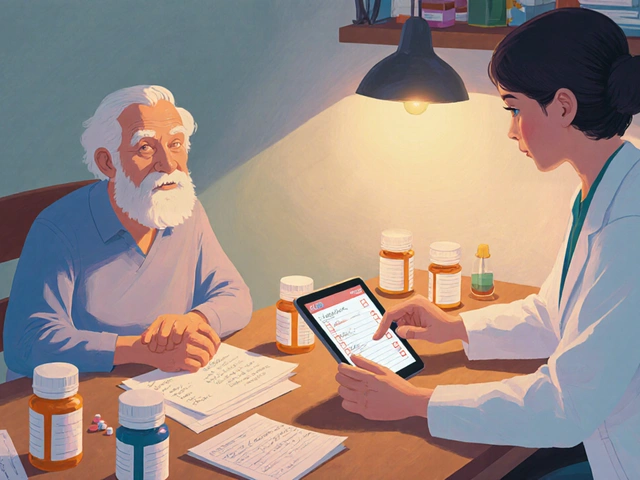
When you take too many pills, your body doesn’t always thank you. Deprescribing, the planned process of reducing or stopping medications that are no longer needed or may be doing more harm than good. It’s not about quitting drugs cold turkey—it’s about making smart, safe choices with your doctor to match your current health needs. Many people, especially older adults, end up on meds they started years ago for conditions that have changed—or disappeared. That’s where deprescribing steps in. It’s not a trend. It’s a growing medical practice backed by real studies showing fewer side effects, less confusion, lower risk of falls, and better quality of life when unnecessary drugs are carefully pulled back.
Polypharmacy, the use of five or more medications at once is a big reason deprescribing exists. It’s common in people managing multiple conditions like high blood pressure, diabetes, arthritis, and depression. But each new drug adds risk. Some interact badly with others. Some cause dizziness, fatigue, or kidney stress. And many aren’t even needed anymore. Take a statin you started after a heart attack five years ago—do you still need it if your cholesterol is normal and your heart’s stable? Or that sleep pill you’ve been taking since your mom passed away? Deprescribing asks: Is this still helping? Or is it just clutter?
Drug interactions, when two or more medicines react in harmful ways are another major driver. Think of warfarin and ibuprofen, or colchicine and certain antibiotics. These combos can land you in the ER. Deprescribing isn’t just about removing one drug—it’s about cleaning up the whole mix. It’s also about listening to you. If you’re taking a pill that makes you feel sluggish, or one your doctor prescribed for a symptom that’s gone, that’s a red flag. Your input matters. The goal isn’t to stop everything—it’s to stop what’s not working, or worse, hurting you.
Deprescribing doesn’t happen overnight. It’s a conversation. It’s a review. It’s looking at your whole list—not just one drug at a time. That’s why medication reviews, checking expiration dates, and knowing your full drug history are so important. You don’t need to be an expert. You just need to be prepared. Bring your list. Note what’s bothering you. Ask: "Is this still necessary?" And if your doctor says yes, ask: "What happens if I stop?" The answers might surprise you.
In the posts below, you’ll find real stories and practical guides on how to spot unnecessary meds, handle missed doses safely, avoid dangerous interactions, and talk to your doctor about cutting back. Whether you’re managing heart drugs, pain meds, or anxiety pills, there’s something here to help you take control—not just of your pills, but of your health.
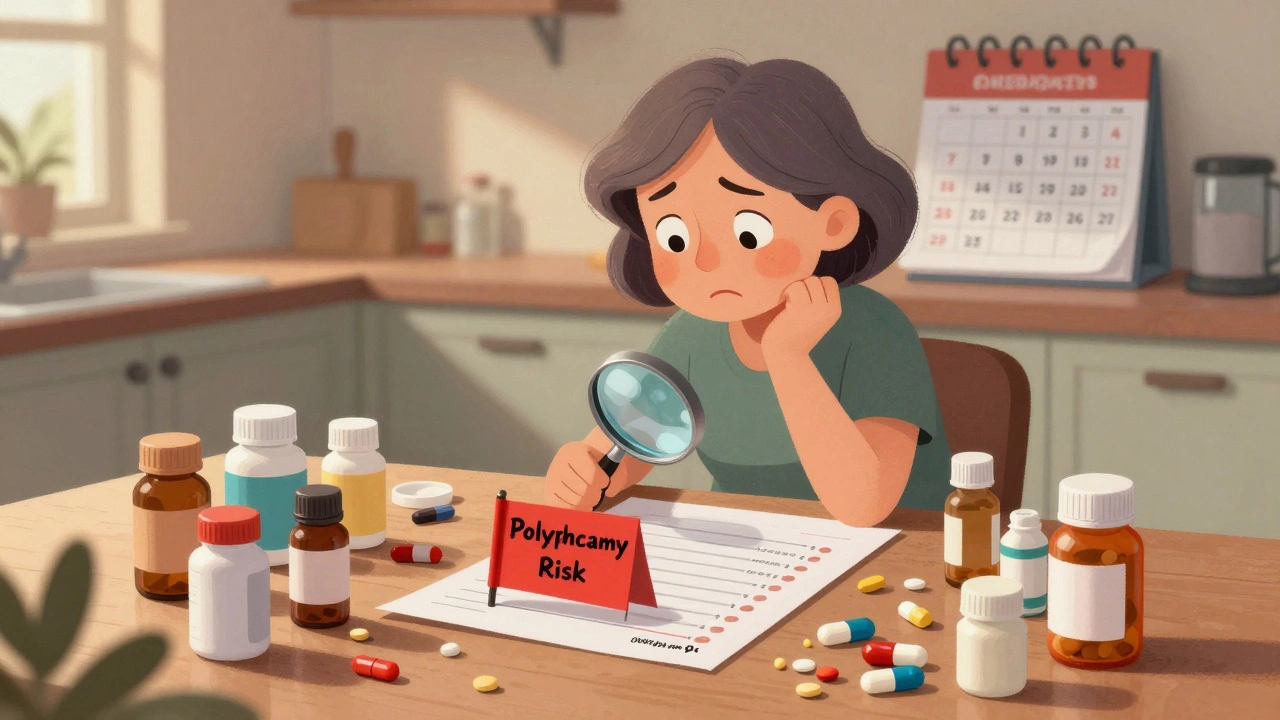
Post-menopausal women face unique medication risks due to hormonal shifts, polypharmacy, and age-related changes. Learn what drugs are safest, which to avoid, and how to reduce risks with deprescribing and non-hormonal options.
READ