How to Confirm Your Name and Medication on a Prescription Label
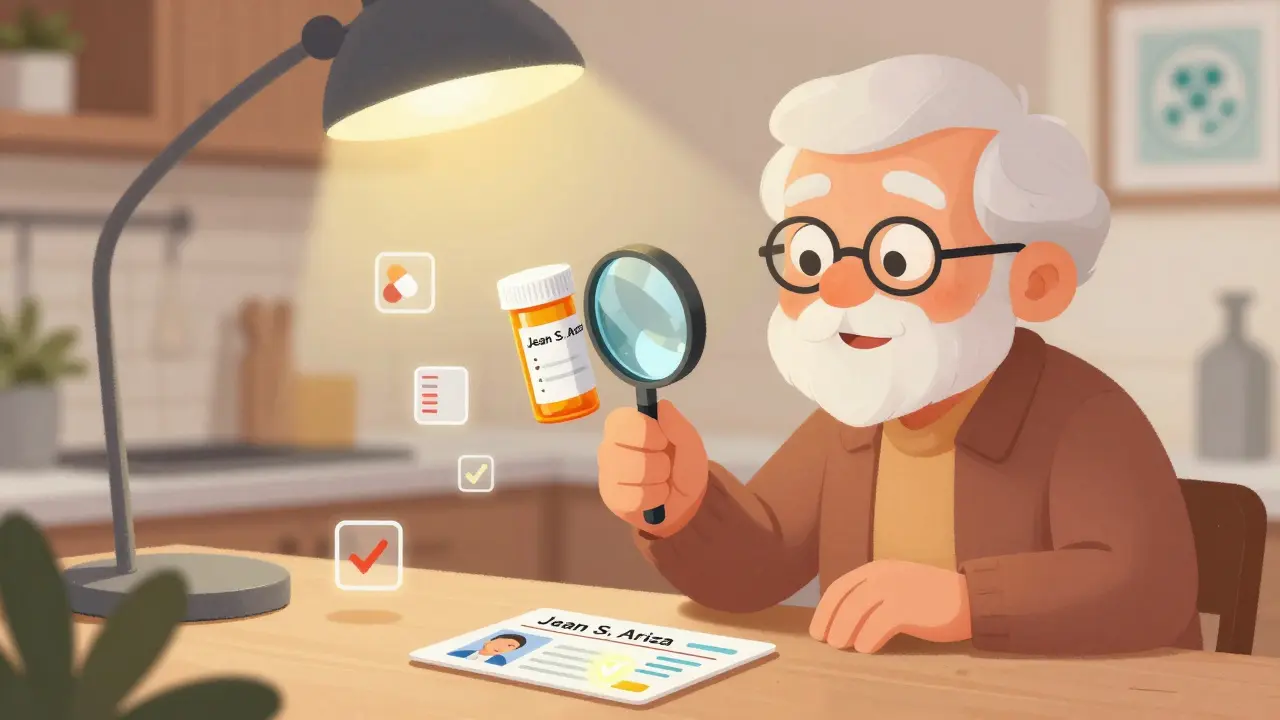
Every year, thousands of people take the wrong medication-not because their doctor made a mistake, but because the label on the bottle didn’t match what they were supposed to get. It happens more often than you think. A 2020 study in the Journal of the American Pharmacists Association found that when patients double-check their prescription labels, they reduce the chance of taking the wrong medicine by 67%. That’s not a small number. It’s life-changing.
Why Checking Your Prescription Label Matters
Your pharmacist isn’t perfect. Neither is the computer system that prints the label. People get mixed up. Names sound alike. Pill colors change between refills. Strengths get misread. One wrong digit-like 5 mg instead of 50 mg-can cause serious harm.
The FDA, CDC, and Joint Commission all agree: the final check belongs to you. No matter how many times the pharmacist says, “Everything looks good,” you still need to look. This isn’t about trusting or doubting the pharmacy. It’s about adding a safety net. Think of it like checking your seatbelt before driving. You don’t do it because you think the car will crash. You do it because you know accidents happen-and you want to be ready.
What’s on a Prescription Label
Before you check anything, know what you’re looking for. By law, every prescription label must include these six key pieces of information:
- Your full legal name (first and last-sometimes middle initial too)
- The name of the medication (both brand and generic, like “Lisinopril” and “Zestril”)
- The strength (e.g., “10 mg,” “500 mg,” “5 mL”)
- The dosage instructions (e.g., “Take one tablet by mouth twice daily”)
- The prescriber’s name
- The pharmacy’s name and phone number
Some labels also show the prescription number, expiration date, refill info, and a National Drug Code (NDC) number. Don’t ignore those-but focus first on your name, the drug name, and the strength. Those are the three most common places errors happen.
Step-by-Step: How to Verify Your Prescription
Here’s how to check your prescription in under 30 seconds. Do this every time, even if you’ve taken the same medicine before.
- Hold the bottle at eye level. Don’t glance at it while walking out the door. Stop. Find a well-lit spot. Good lighting matters-especially if you’re over 65. The American National Standards Institute recommends at least 500 lux, which is like standing under a bright kitchen light.
- Match your name exactly. Is it “Jean Ariza” or “Jean S. Ariza”? Did the pharmacy add your middle name? Did they misspell it? Even a missing middle initial can mean it’s not yours. I’ve seen cases where someone picked up their spouse’s blood thinner because the label had “Jane” instead of “Jean.”
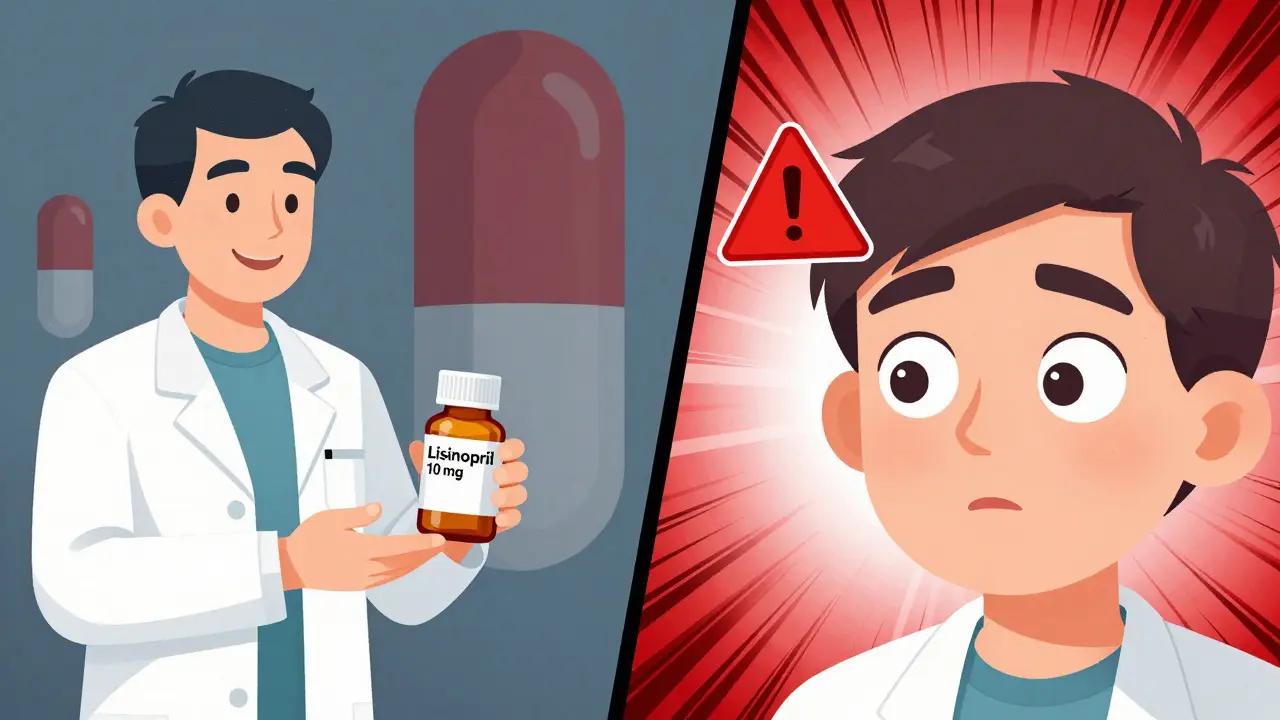
- Confirm the medication name. If your doctor said “blood pressure medicine,” but the label says “Lisinopril,” that’s fine-but make sure it’s what you expected. If you were told “amoxicillin” but see “azithromycin,” stop. Ask. Don’t assume it’s the same thing.
- Check the strength. This is where most mistakes happen. A 5 mg pill looks just like a 50 mg pill. If your doctor prescribed 10 mg, but the bottle says 20 mg, don’t take it. Call the pharmacy right away. In a 2023 survey, 42% of all detected errors were wrong strengths.
- Read the directions. “Take once daily” vs. “Take twice daily” makes a big difference. If the label says “Take at bedtime” but your doctor said “Take with breakfast,” something’s off.
- Double-check the pharmacy info. If the phone number looks weird or the name doesn’t match where you picked it up, that’s a red flag. It could mean the label was printed for another location.
Common Problems and How to Fix Them
Even if you follow the steps, things can still go wrong. Here are the most common issues-and how to handle them.
Small or Faint Print
Many pharmacies use tiny fonts to save space. If you can’t read it, don’t guess. Ask for a magnifying glass. Most CVS and Walgreens locations have them at the pickup counter. Or use your phone’s magnifier app-turn on the camera and zoom in. It works better than any cheap magnifier.
Confusing Generic vs. Brand Names
Your doctor might say “Zoloft,” but the label says “sertraline.” That’s normal. But if you’re not sure, ask the pharmacist: “Is this the same as the one my doctor told me to take?” They’re trained to explain this. Don’t feel dumb for asking.
Similar-Sounding Medications
“Hydrochlorothiazide” and “Hydralazine” look and sound alike. So do “Lamotrigine” and “Lithium.” These mix-ups happen. If a drug name feels unfamiliar or hard to pronounce, ask: “Is this for high blood pressure, seizures, or something else?” Knowing the purpose helps you catch a mistake.
Wrong Pill Appearance
If your pills look different from last time-color, shape, markings-don’t assume it’s just a new batch. Ask: “Is this the same medicine I got before?” Pill appearance changes often with generic brands. But if the shape is totally different (round vs. oval) or the imprint code doesn’t match, stop and ask.
What to Do If You Find an Error
If you spot something wrong, don’t take the pills. Don’t wait. Don’t think, “Maybe it’s fine.”
Call the pharmacy immediately. Have your doctor’s name and the prescription number ready. Say: “I picked up a prescription for [your name], and the label says [wrong info]. Can you double-check?”
Most pharmacies will fix it right away. If they argue or seem dismissive, ask to speak to the pharmacist in charge. If they still won’t help, call your doctor’s office. They can confirm what was prescribed and fax a new label.
Tools That Help (But Don’t Replace Manual Checks)
There are apps like Medisafe and GoodRx that let you scan your prescription label. They can remind you when to take pills and track refills. But they’re not foolproof. They rely on you scanning correctly. If the label is smudged or the font is too small, the app might misread it.
Also, 42% of people who take prescription meds are over 65. Many don’t use smartphones for health tasks. That’s why manual checks still matter more than ever. Technology helps-but it doesn’t replace your eyes and your brain.
What’s Changing in 2025 and Beyond
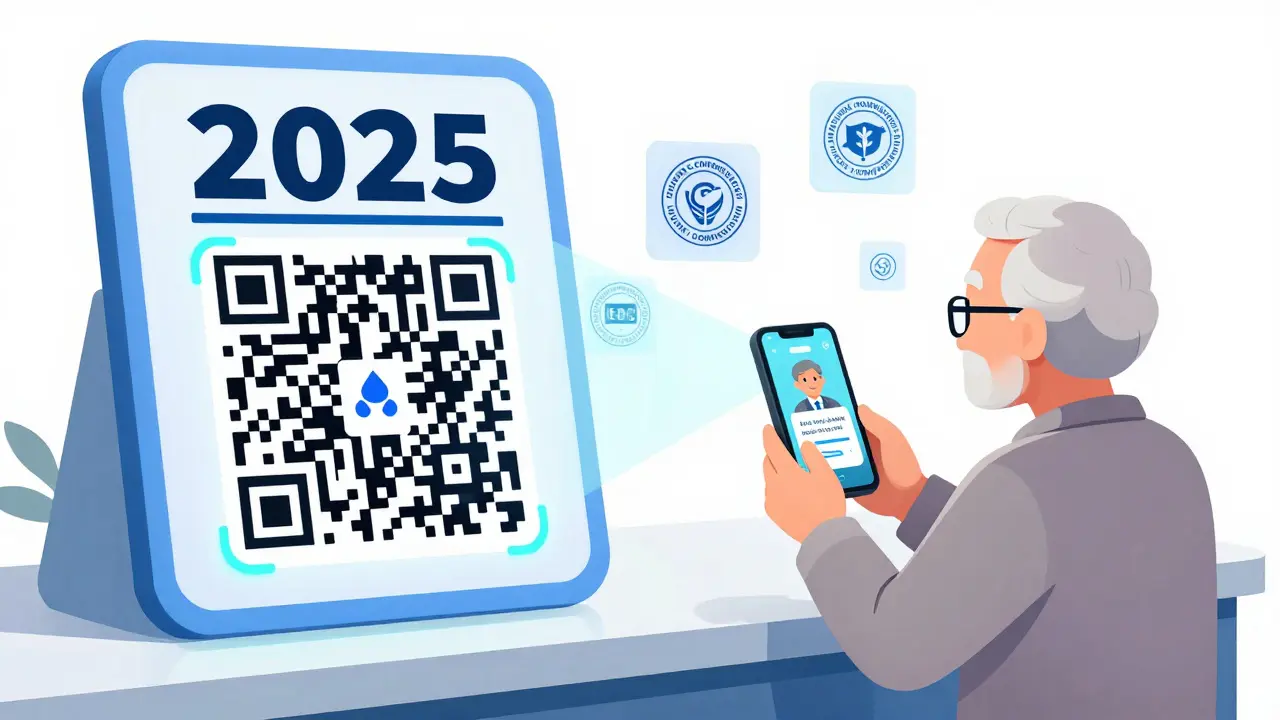
Starting in 2025, the FDA will require all prescription labels to follow a new standard format. Your name will be in 24-point font at the top. Strength and directions will be bolded. The goal? Make it impossible to miss the most important info.
Some pharmacies are already testing QR codes on labels. Scan it, and you’ll get a short video in your language explaining the medicine. By 2026, 60% of prescriptions for older adults may include this feature.
But here’s the truth: no matter how fancy the label gets, you’re still the last line of defense. Systems fail. Machines glitch. People make typos. Your check is the one thing that can’t be automated.
Real Stories, Real Safety
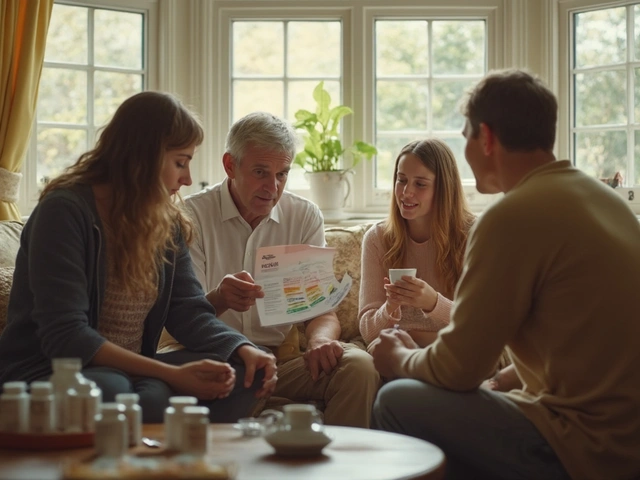
On Reddit, a user named NurseInTX shared how she caught a deadly mistake. Her mom was supposed to get 5 mg of warfarin. The label said 10 mg. She asked the pharmacist. They fixed it. That one check prevented a major bleed.
Another person on Drugs.com almost took their roommate’s blood pressure pill. The label had their name-but the pill was the wrong shape. They noticed it because they always checked.
These aren’t rare. They’re common. And they’re preventable.
Final Tip: Make It a Habit
Don’t wait until you’re confused or scared. Make checking your prescription label part of your routine-like brushing your teeth. Do it every single time. Even if it’s the same medicine. Even if it’s your third refill. Even if the pharmacist smiles and says, “You’re good.”
Your health isn’t a gamble. It’s your responsibility. And you’re the only one who can make sure the right medicine gets into your body.
What if my name is misspelled on the prescription label?
Don’t take the medication. Even a small spelling mistake-like “Jen” instead of “Jean”-could mean it’s not yours. Call the pharmacy right away. They can reprint the label. Some pharmacies have had cases where someone picked up another person’s medication because of a typo. It’s rare, but it happens. Always verify your name matches your ID exactly.
Can I trust the generic version of my medication?
Yes, generic medications are required by the FDA to work the same way as the brand name. But the pill might look different-color, shape, or imprint. That’s normal. What’s not normal is if the name or strength changed. Always check the label for the generic name (like “metformin”) and make sure it matches what your doctor prescribed. If you’re unsure, ask the pharmacist to confirm it’s the same medicine.
Why does the strength matter so much?
Strength determines how much medicine you get. A 5 mg pill and a 50 mg pill look almost identical. Taking 10 times the dose can be dangerous-especially with blood thinners, diabetes meds, or heart drugs. In 2023, nearly half of all prescription errors involved the wrong strength. Always compare the number on the label to what your doctor told you. If it’s different, stop and ask.
Should I check my prescription even if I’ve taken it before?
Yes. Always. Medications can change between refills. The pharmacy might switch to a different generic brand. The strength might be updated. The directions might be corrected. Just because you’ve taken it before doesn’t mean this bottle is the same. Treat every refill like it’s your first time.
What if I can’t read the label at all?
Ask the pharmacist for help. Most pharmacies have magnifiers or large-print labels available. You can also use your smartphone’s camera zoom feature to enlarge the text. If you’re blind or have severe vision loss, ask if they can read the label aloud or provide a braille version. You have the right to understand your medication. Don’t be shy about asking for help.
Can I take a picture of my prescription label for future reference?
Yes, and you should. Take a clear photo of the label when you pick up your medicine. Store it in your phone’s notes or a health app. That way, if you lose the bottle or need to show someone what you’re taking, you have proof. It’s also helpful when you visit a new doctor or pharmacist.
Are there any free resources to help me understand my prescription?
Yes. The FDA has a free guide called “How to Read a Prescription Label,” updated in March 2023. The American Pharmacists Association also runs a free helpline: 1-800-987-7856. You can call and ask them to explain any part of your label. No judgment. No charge. Just help.
Next Steps
If you’ve never checked your prescription label before, start today. Pick up your next refill and do the six-step check. Make it a habit. If you help someone else-your parent, partner, or friend-teach them how. One simple habit can prevent a hospital visit, a bad reaction, or worse.
You don’t need to be a doctor. You don’t need to know Latin names or chemical formulas. You just need to look. And ask. And care enough to make sure it’s right.