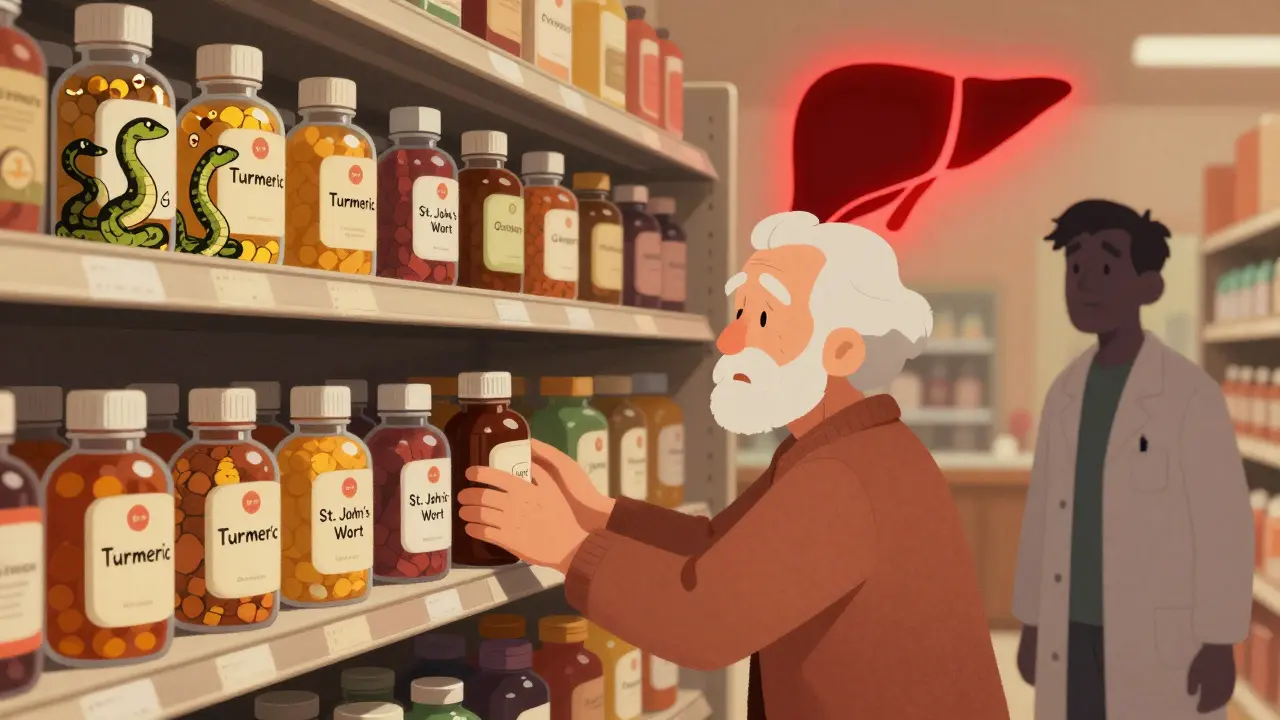
People turn to natural remedies and supplements hoping to ease side effects from medications, chemo, or even just aging. They think, natural means safe. But that’s not true. A lot of these products come with hidden risks-some serious. And most people have no idea.
Herbal supplements are sold like food. You can buy them at the grocery store, the corner pharmacy, or online without a prescription. But they don’t work like food. They’re active chemicals. And just like prescription drugs, they can mess with your body in ways you don’t expect.
The FDA doesn’t test supplements for safety or effectiveness before they hit the shelves. That’s because of the 1994 Dietary Supplement Health and Education Act (DSHEA). So if a company sells a bottle labeled ‘turmeric for joint pain,’ there’s no guarantee it even contains turmeric. It might have fillers, heavy metals, or even hidden prescription drugs. A 2015 study found that nearly 20% of herbal products were contaminated or mislabeled.
And it’s not just about what’s in the bottle. It’s about what’s not in the label. St. John’s wort, for example, can drop the effectiveness of birth control pills by up to 24%. That’s not a side effect-it’s a full-blown drug interaction. People taking it for mild depression don’t realize they’re risking an unplanned pregnancy.
Some natural products have real, documented benefits. But even those come with red flags.
Black cohosh is often used for hot flashes during menopause. Some studies suggest it works, but only if it’s a specific brand like Remifemin®. Other versions? No proof. And there’s been talk about liver damage. The Cleveland Clinic says it’s rare, and might be from contaminants, not the herb itself. Still, if you have liver issues-or are on meds that affect your liver-talk to your doctor first.
Echinacea is popular for colds. But does it actually help? Maybe a little. Some studies show a tiny reduction in cold duration. But if you’re allergic to ragweed, daisies, or chrysanthemums? You could get a rash, swelling, or even trouble breathing. And if you have an autoimmune disease like lupus or rheumatoid arthritis? Skip it. It can make your immune system overreact.
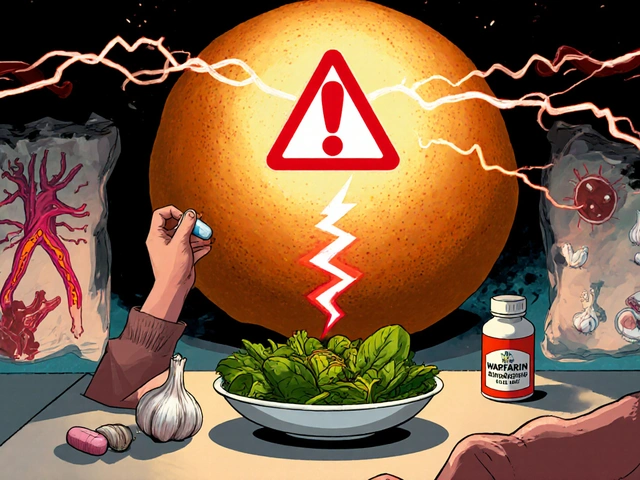
Ginger is one of the safer ones. It’s been shown to help with nausea from chemo or pregnancy. But if you’re on blood thinners like warfarin? Ginger can increase bleeding risk. One study found people on warfarin who took ginger supplements had higher INR levels-meaning their blood took longer to clot. That’s dangerous.
The biggest risk isn’t the supplement itself. It’s what happens when it meets your prescription meds.
St. John’s wort is the worst offender. It turns on an enzyme in your liver-CYP3A4-that breaks down drugs too fast. That means your antidepressants, birth control, HIV meds, and even some heart pills stop working. A 2000 study showed birth control pills became 15-24% less effective in women taking St. John’s wort. That’s not a small risk. That’s life-changing.
Ginkgo biloba is marketed for memory. But it also thins the blood. Combine it with aspirin, ibuprofen, or warfarin? You’re increasing your chance of bleeding-inside your brain, in your stomach, even in your eyes. One case report described a 72-year-old man who went blind after taking Ginkgo with aspirin.
Cranberry is another surprise. People drink it to prevent UTIs. But it also interferes with warfarin. A 2013 review found 27 cases of dangerous bleeding in people taking cranberry juice or supplements with blood thinners. Not because it’s toxic. Because it changes how the drug works.
And don’t forget liquorice root. It’s in tons of herbal blends, especially in Japan. But it can cause your body to hold onto salt and lose potassium. That leads to high blood pressure, swelling, muscle weakness, and even seizures. One study found 3% of people who regularly took liquorice-containing herbs developed this condition.

Not everyone is equally vulnerable. Some groups are sitting ducks.
Older adults are at higher risk. As you age, your liver and kidneys slow down. That means herbs stay in your system longer. A dose that’s fine for a 30-year-old could build up to toxic levels in someone over 65. The FDA and JAMA both warn that older people are more likely to have serious side effects from herbal products.
People on multiple medications are another high-risk group. If you’re taking five or more drugs, the chance of a bad interaction goes up fast. One study found that 70% of people over 65 who took supplements were also on at least three prescription meds. That’s a recipe for trouble.
People with chronic conditions-liver disease, kidney failure, autoimmune disorders, cancer-need to be extra careful. Their bodies are already under stress. Adding an untested herb can push them over the edge. For example, black cohosh was once thought to raise breast cancer risk. New data says it probably doesn’t. But doctors still advise caution because the research isn’t complete.
Liver injury from herbal supplements is real-and underreported.
The Drug-Induced Liver Injury Network found that between 2004 and 2013, only 13% of suspected herbal liver cases could be confirmed as caused by the herb itself. The rest? Contaminants, mislabeled ingredients, or other drugs. But that doesn’t mean herbal supplements are safe. It means we don’t know what’s in them.
One of the most common culprits? Green tea extract. In high doses, it’s linked to liver failure. The FDA has issued multiple warnings. But you’ll still find it in weight-loss pills, energy boosters, and ‘detox’ teas.
Another big one: kava. Used for anxiety, it’s been banned in Canada and Europe because of liver toxicity. The FDA doesn’t ban it, but warns against it. Still, you can buy it online without a second thought.
And Scutellaria (found in Japanese herbal formulas like sho-saiko-to) has been tied to interstitial pneumonia-lung damage-in 1 out of every 25,000 users. Most are women over 50. No one knows why. But it’s real.
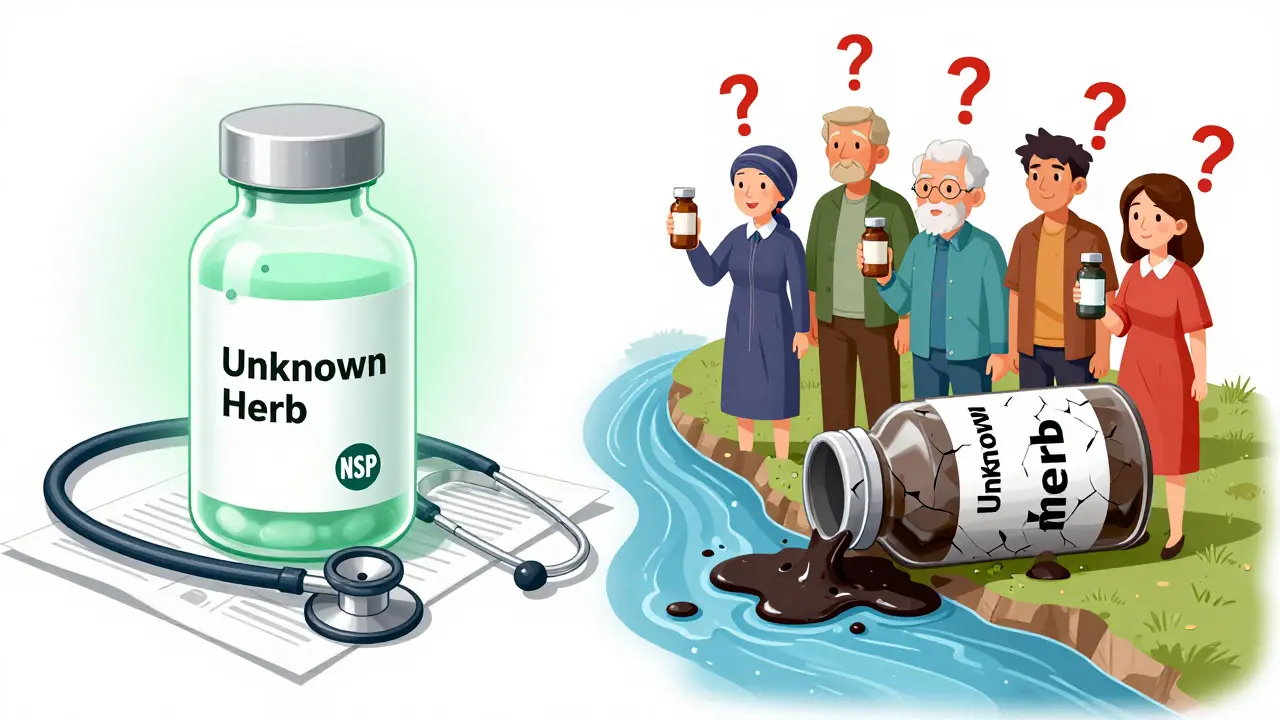
You don’t have to give up natural remedies. But you need to treat them like medicine-not candy.
Natural doesn’t mean gentle. It doesn’t mean harmless. It just means it came from a plant, not a lab.
Some supplements help. But most of the time, we don’t have solid proof. And even the ones that do work? They can hurt you if you’re not careful.
The evidence is clear: herbal remedies can cause side effects, interact dangerously with meds, and damage your liver, kidneys, or lungs. They’re not regulated like drugs. They’re not tested like drugs. But they act like them.
If you’re using supplements to manage side effects-from chemo, antidepressants, blood pressure meds, or anything else-talk to your doctor. Not your friend. Not your yoga instructor. Not the person at the health food store.
Your health isn’t a gamble. And your body isn’t a test subject.
No. Just because something is natural doesn’t mean it’s safer. Many herbal supplements cause serious side effects like liver damage, dangerous drug interactions, and allergic reactions. Prescription drugs go through strict testing for safety and effectiveness. Supplements don’t. The FDA only steps in after harm occurs.
Some are risky. Ginkgo biloba, ginger, garlic, and cranberry can increase bleeding risk when taken with warfarin, aspirin, or clopidogrel. Even St. John’s wort can interfere with how your body processes these drugs. Always check with your doctor or pharmacist before combining any supplement with blood thinners.
Liver damage can come from the herb itself, but more often it’s from contaminants-like heavy metals, pesticides, or hidden prescription drugs. Some products are mislabeled or contain different plants than what’s on the label. Green tea extract, kava, and black cohosh have been linked to liver injury, but in many cases, the exact cause isn’t clear.
Yes. Research shows St. John’s wort can reduce the effectiveness of birth control pills by 15-24% by speeding up how your body breaks down the hormones. This can lead to unplanned pregnancy. It also reduces the effectiveness of antidepressants, HIV meds, and some heart drugs. Avoid it completely if you’re on any of these medications.
Look for third-party testing seals: USP, NSF International, or ConsumerLab. These organizations test products for accurate labeling, purity, and absence of harmful contaminants. Avoid brands that make wild claims like ‘miracle cure’ or ‘100% natural’ without proof. If it sounds too good to be true, it probably is.
Yes. Many supplements-like ginkgo, garlic, ginger, and fish oil-can increase bleeding risk during surgery. Others can interfere with anesthesia. Most surgeons recommend stopping all supplements at least 1-2 weeks before any procedure. Always tell your surgical team what you’re taking.
Ginger has strong evidence for reducing nausea and vomiting from chemo. Peppermint oil may help with nausea too. But most other supplements-like turmeric, milk thistle, or astragalus-lack solid proof. Some may even interfere with chemo drugs. Always talk to your oncologist before taking anything during cancer treatment.
Not really. Online reviews are full of bias. People who feel great write glowing reviews. People who have bad reactions often don’t post-or blame other causes. Many brands pay for fake reviews. Look for clinical studies instead. If a product has no published research, assume it hasn’t been properly tested.



11 Responses
Been taking ginger for chemo nausea for two years. Works like a charm. Told my oncologist before starting. He said ‘good, just keep him informed.’
Don’t just guess. Talk to someone who knows your meds.
Let me be perfectly clear: the FDA’s lack of oversight is not a bug-it’s a feature of corporate capture. The DSHEA was written by supplement lobbyists, not scientists. You think ‘natural’ is safe? Then why does the NIH have a whole database of herb-induced hepatotoxicity cases? And don’t get me started on the fact that ‘USP Verified’ is a voluntary seal, not a regulatory stamp. You’re not protecting yourself-you’re playing Russian roulette with your liver.
St. John’s wort and birth control? I knew someone who got pregnant after taking it for ‘mild anxiety.’ She thought it was ‘just herbs.’ Now she’s a single mom. No one warned her. No one even asked if she was on the pill.
It’s not ignorance. It’s negligence.
America lets anyone sell poison as ‘wellness.’ Meanwhile, real medicine gets blocked by bureaucracy. We need to ban this crap.
Big Pharma owns the FDA. They don’t want you to know herbs work better. That’s why they let dangerous stuff slip through. They profit from your sickness. Green tea extract? They made it toxic on purpose to scare you away from natural cures.
I used to take turmeric for my knees. Then I started bruising like a cartoon. My pharmacist caught it-turmeric + warfarin = bad combo. I switched to physical therapy. Best decision ever. 🙏
Don’t be like me. Ask before you pop.
You think this is about health? It’s about control. The medical-industrial complex needs you dependent. Natural remedies threaten their empire. That’s why they smear them as ‘dangerous’-while they quietly profit from your chronic pain, your depression, your diabetes. They want you hooked on pills that cost $500 a month. Not a $15 bottle of ginger.
My grandpa took kava for anxiety. Got liver failure. Died in the hospital. They didn’t even know it was the herb. The doctor said ‘maybe it was the wine.’ Bullshit. It was the kava. And now I see people on TikTok calling it ‘nature’s Xanax.’
Wake up. This isn’t spiritual. It’s suicide with a hemp label.
Just started reading up on this after my mom had a bad reaction to a ‘detox tea.’ She didn’t even know what was in it. Now I make her bring every bottle to her appointments. It’s not about being paranoid-it’s about being smart.
You don’t have to give up natural stuff. Just be a detective about it. 💪
The entire concept of ‘natural remedies’ is a postmodern delusion rooted in anti-scientific romanticism. You fetishize plants because you fear the complexity of pharmacology. The fact that you believe ‘herbs are safer’ reveals a profound epistemological failure. Your body is not a mystical ecosystem-it’s a biochemical machine. And you are treating it like a Pinterest board.
My cousin’s oncologist actually recommended ginger capsules for chemo nausea. Not because it’s magic-but because the data’s solid. Same with peppermint for bloating. But they also said: ‘if it’s not on the list, don’t touch it.’
Knowledge > guesswork. Always.