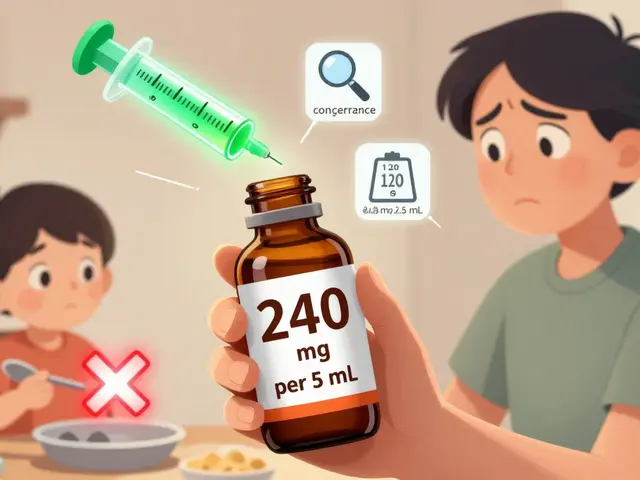
When you have type 2 diabetes, your body doesn’t use insulin well—or doesn’t make enough of it. Sulfonylureas, a class of oral diabetes medications that stimulate the pancreas to release more insulin. Also known as insulin secretagogues, they’ve been used for over 70 years and are still prescribed today because they work fast and are cheap. But they’re not without risks. Unlike newer drugs that help your body use insulin better or slow down sugar absorption, sulfonylureas force your pancreas to pump out more insulin, no matter what your blood sugar level is. That’s why low blood sugar—hypoglycemia—is the biggest danger. You can feel shaky, sweaty, confused, or even pass out if your sugar drops too low, especially if you skip a meal or drink alcohol.
These drugs include older names like glipizide, a sulfonylurea often taken before meals to control post-meal spikes, and glyburide, a longer-acting option that can build up in older adults and increase hypoglycemia risk. They’re not the first choice anymore, but they’re still used when cost is a barrier or when newer drugs don’t fit a patient’s needs. Many people on sulfonylureas also take metformin, because the two work differently: metformin reduces liver sugar output, while sulfonylureas push the pancreas to make more insulin. But combining them doesn’t eliminate the risk of low blood sugar—it just makes it harder to predict.
What’s often overlooked is how age, kidney function, and other meds can change how sulfonylureas behave in your body. For example, if you’re over 70 or have kidney issues, your body clears these drugs slower, so even a standard dose can become dangerous. And if you’re taking antibiotics like sulfonamides or NSAIDs, they can interfere with how sulfonylureas are processed, increasing the chance of side effects. That’s why regular check-ins with your doctor matter—not just to check your A1C, but to see if the drug is still the right fit.
There’s a reason newer diabetes drugs like GLP-1 agonists and SGLT2 inhibitors are replacing sulfonylureas in guidelines: they don’t cause low blood sugar as often, they help with weight loss, and some even protect your heart and kidneys. But for millions of people, sulfonylureas are still part of their daily routine. The key isn’t to avoid them entirely—it’s to understand how they work, watch for warning signs, and know when it’s time to switch.
Below, you’ll find real-world advice on managing these drugs safely, spotting hidden risks, and knowing when to ask your doctor about alternatives. Whether you’re on one now or just learning about them, this collection gives you the facts—not the fluff.
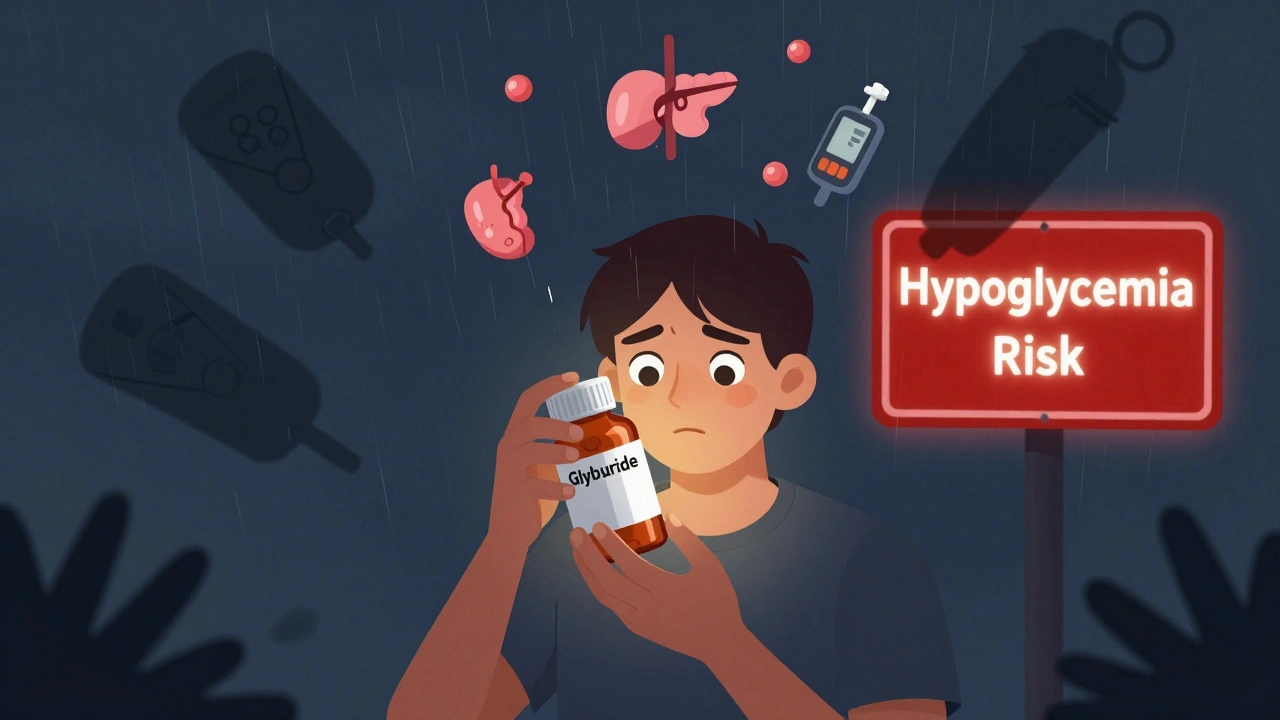
Sulfonylureas are effective for lowering blood sugar but carry a high risk of hypoglycemia. Learn which drugs are safest, who’s most at risk, and how to prevent dangerous low blood sugar episodes with practical, evidence-based strategies.
READ