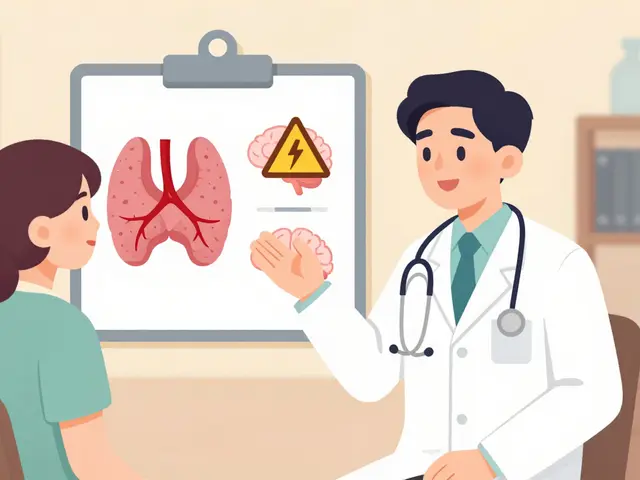
Select symptoms and enter temperature to see the analysis.
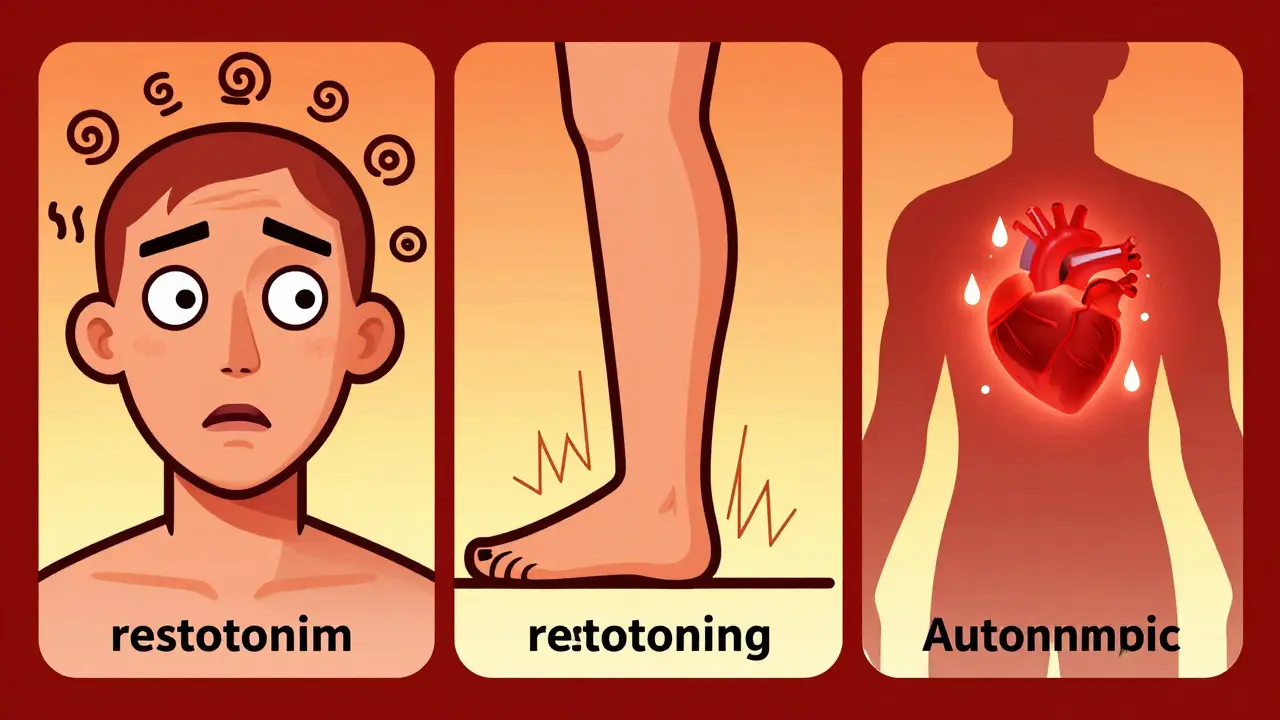
Recognizing serotonin syndrome isn't always easy because the symptoms can look like a bad panic attack or a severe flu. However, doctors look for a specific "triad" of symptoms that usually appear together. If you or a loved one are checking for signs, look for these three categories:
Not every case of serotonin toxicity is a full-blown emergency, but they can escalate quickly. A study in the Journal of Clinical Pharmacy and Therapeutics found that 43% of severe cases deteriorated from mild symptoms in just 4 to 6 hours. Here is how medical professionals categorize the severity:
| Severity | Core Symptoms | Body Temperature | Risk Level |
|---|---|---|---|
| Mild | Symptoms in 1-2 categories (e.g., just shivering and anxiety) | Below 38.5°C (101.3°F) | Low, if treated early |
| Moderate | All three symptom categories present | 38.5°C to 41.1°C (101.3-106°F) | High; requires hospitalization |
| Severe | Severe rigidity, multi-organ failure, delirium | Above 41.1°C (106°F) | Critical; life-threatening |
Most people don't get serotonin syndrome from a single SSRI alone. It usually happens when you "stack" medications that all increase serotonin. Some of the most dangerous combinations include mixing SSRIs with MAOIs (Monoamine Oxidase Inhibitors), which carries a very high relative risk. Other common culprits are Tramadol (a pain medication) or Triptans (used for migraines). Even some over-the-counter supplements or herbal remedies can trigger this reaction if they affect serotonin levels. If you're taking an antidepressant, always check new medications with a pharmacist to avoid these interactions.
If you arrive at the hospital with these symptoms, the medical team needs to act fast. The first 15 minutes are critical for a proper diagnosis using tools like the Hunter Criteria. Here is the standard protocol for different levels of severity:
The first step is always to stop the offending medication immediately. Doctors will likely use Benzodiazepines (like diazepam or lorazepam) as the primary treatment. These aren't just for anxiety; they help relax the muscles and calm the central nervous system. Patients are often given IV fluids to keep them hydrated and are monitored for 12 to 24 hours to make sure the symptoms don't spike.
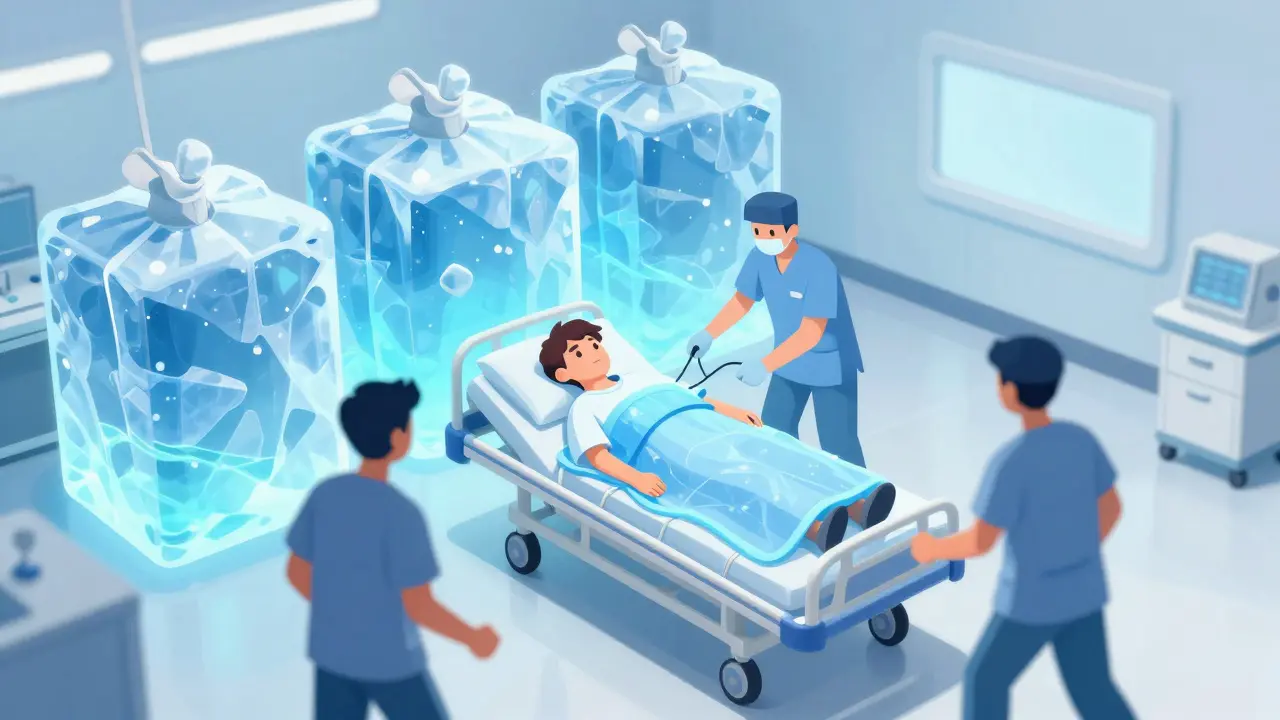
When a patient hits the "severe" stage, it becomes a race against time. At temperatures over 41.1°C, the priority is aggressive cooling. This means ice packs on major blood vessels and cooling blankets. In some cases, doctors may need to intubate the patient to protect their airway. A key point: antipyretics like Tylenol or Advil do not work here. This is because the fever is caused by muscle activity, not a brain-set temperature change.
For extreme cases, doctors might use Cyproheptadine, an antihistamine that blocks certain serotonin receptors, or even dantrolene in the most dire hyperthermia scenarios to reduce mortality rates.
There is one mistake that can turn a moderate case into a fatal one: physical restraints. The American College of Medical Toxicology warns against tying down an agitated patient. Why? Because fighting against restraints increases muscle contractions, which drives the body temperature even higher and puts more stress on the heart. Instead, medical teams use sedation to keep the patient safe.
Another danger is the "wait and see" approach. If you notice tremors, sudden sweating, or confusion, don't wait for it to go away. Serotonin syndrome can escalate with terrifying speed. If you are taking Fluoxetine (Prozac), be aware that it stays in your system longer than other drugs. Because of its long half-life, it may take several weeks for the symptoms to fully resolve even after you stop taking the pill.
While both can cause a racing heart and agitation, serotonin syndrome usually involves physical "neuromuscular" signs that anxiety doesn't, such as muscle jerking (clonus), shivering, or a high fever. If you have a fever and muscle rigidity along with anxiety, it is a medical emergency.
It's rare, but possible, usually during an overdose or if the body isn't metabolizing the drug correctly. However, it most commonly happens when two or more serotonergic drugs are combined.
Most mild to moderate cases resolve within 24 to 72 hours after stopping the medication. However, drugs like fluoxetine can take 3 to 4 weeks to fully leave the system, prolonging the recovery time.
No. Standard fever reducers like acetaminophen do not work for serotonin syndrome because the heat is generated by muscle rigidity, not a typical infection. Professional medical cooling is required.
The most dangerous complications are seizures and severe hyperthermia (extreme fever), which can lead to multi-organ failure if not treated within the first few hours.
If you are currently taking an SSRI or any mood-altering medication, take a few proactive steps. First, make a complete list of every supplement and medication you take-including over-the-counter cough syrups or herbal teas-and review them with your doctor. Second, educate your family or roommates on the signs of clonus and confusion so they can call emergency services if you can't. Finally, if you ever suspect a reaction, stop the medication and head to the nearest emergency room immediately. Early intervention is the difference between a 24-hour hospital stay and a life-threatening crisis.