Why Brand Companies Launch Authorized Generics: The Real Strategy Behind the Move
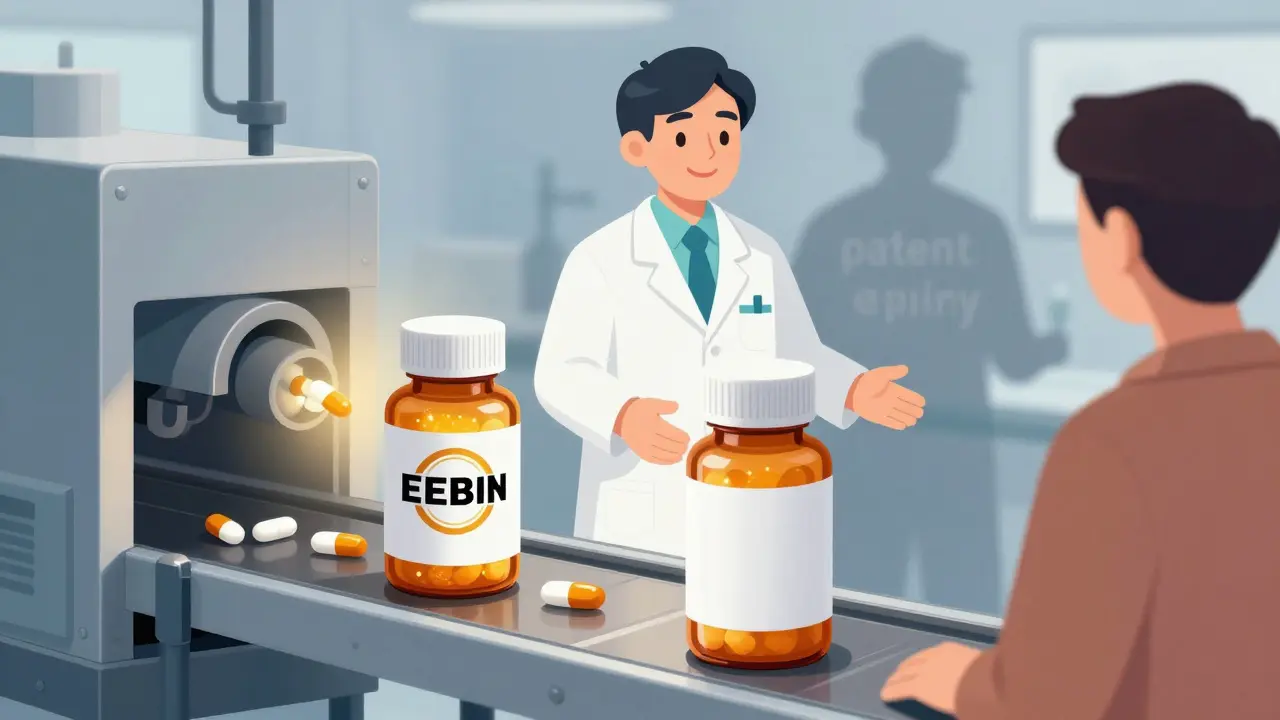
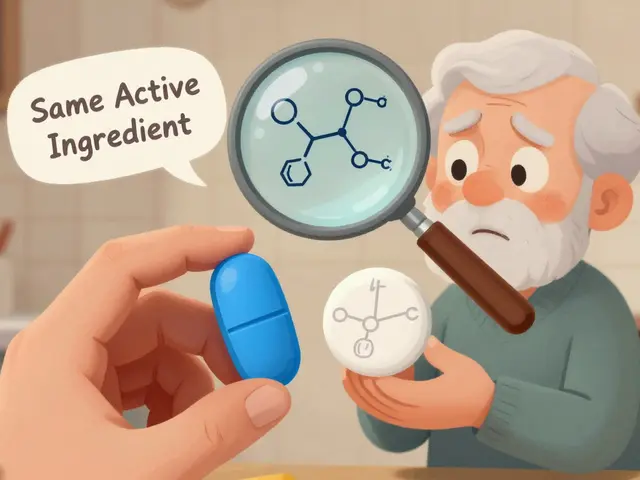
When a popular brand-name drug loses its patent, you’d expect the company to watch its sales drop by 80% or more. But many of these companies don’t just sit back and wait for the crash. Instead, they launch something surprising: their own generic version. Not a copy. Not a competitor. Authorized generics - the exact same pill, same capsule, same inactive ingredients, just without the brand name and at a lower price.
What Exactly Is an Authorized Generic?
An authorized generic isn’t made by a different company trying to copy the brand. It’s made by the original brand manufacturer - same factory, same formula, same quality control - but sold under a different label. Think of it like a car company selling the same model under a budget brand name. The engine, the seats, the paint job? Identical. Just no logo on the hood.
The FDA doesn’t require a new approval for these. They’re produced under the original New Drug Application (NDA), not the Abbreviated New Drug Application (ANDA) that traditional generics use. That means no waiting 18 to 24 months for approval. The brand company can launch it the moment the patent expires - or even before.
This isn’t a new trick. Since the 1990s, companies like Pfizer, Johnson & Johnson, and AbbVie have used this strategy. In the U.S. alone, over 850 authorized generics hit the market between 2010 and 2019. And the timing? It’s not random.
Why Do Brands Launch Their Own Generics?
The short answer: to keep money flowing.
When a blockbuster drug like Lipitor or Celebrex loses patent protection, the market gets flooded with cheaper generics. Within a year, the brand’s sales can drop by 90%. But if the brand company launches its own generic at the same time, something interesting happens. Instead of losing everything, they keep a slice of the market.
Here’s how it works:
- Patients who still trust the brand name - or whose insurance requires it - keep buying the branded version.
- Price-sensitive customers - including those on Medicaid, Medicare Part D, or without insurance - switch to the cheaper authorized generic.
- The brand company still makes money from both channels.
This is called price discrimination. It’s not unethical - it’s standard business. Airlines do it. Streaming services do it. Pharmaceutical companies do it too. The difference? They’re selling the exact same product at two prices.
The Hatch-Waxman Act and the 180-Day Edge
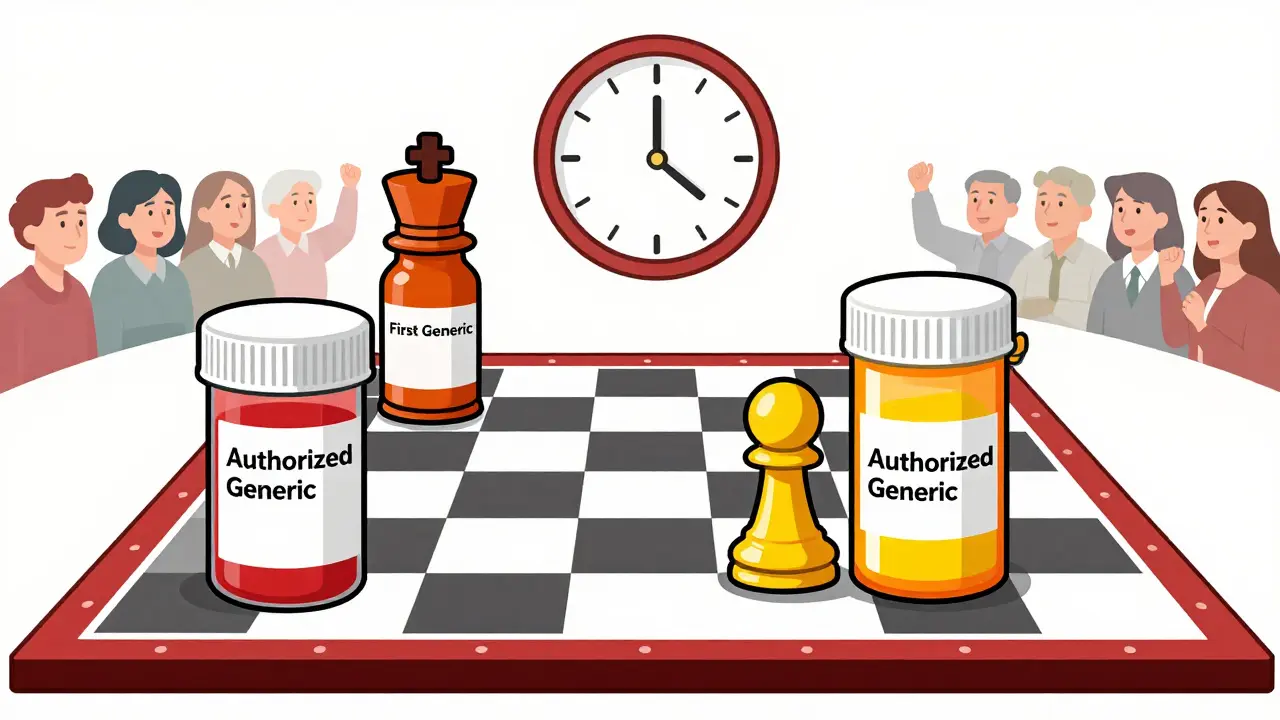
The real chess move comes with the Hatch-Waxman Act of 1984. It gives the first generic company to challenge a patent 180 days of exclusive market access. That’s a golden window. No competition. They can charge high prices and rake in profits.
But here’s the twist: if the brand company launches its own authorized generic during those 180 days, the exclusivity is ruined. Suddenly, there are two identical drugs on the shelf - one labeled as generic, one labeled as the brand’s own generic. The first generic can’t charge monopoly prices anymore. Prices drop fast.
The Federal Trade Commission found this in 2011: when authorized generics entered during the 180-day window, prices were 30-50% lower than in markets without them. That’s good for consumers. But it’s also a warning to other generic makers: if you think you’re going to cash in on exclusivity, the brand might just beat you to the punch.
Studies show that 70% of authorized generics launched before or during this 180-day window. That’s not coincidence. That’s strategy.
Real-World Examples You’ve Probably Taken
You might have used an authorized generic without knowing it.
- Celebrex (celecoxib) - The brand version is still sold, but Greenstone (a Pfizer subsidiary) sells the exact same pill as an authorized generic.
- Concerta (methylphenidate ER) - Watson (now part of Actavis) launched an authorized generic that matches the original’s extended-release tech exactly.
- Colcrys (colchicine) - Prasco Labs sells the authorized version. The brand version still exists, but the generic version costs less than $10 a month.
These aren’t knockoffs. They’re the real deal. Same manufacturing line. Same batch numbers. Same clinical results.
Why Patients Prefer Authorized Generics
Not all generics are created equal. Traditional generics must prove they’re bioequivalent - meaning they deliver the same active ingredient at the same rate. But they can have different fillers, dyes, or coatings. For most people, that doesn’t matter.
But for patients on drugs with narrow therapeutic windows - like warfarin, thyroid meds, or seizure drugs - even small differences can cause problems. That’s where authorized generics shine.
A 2005 survey by Roper Public Affairs found over 80% of Americans wanted the option of an authorized generic. Why? Because they knew it was the same drug they’d been taking. No guesswork. No fear of side effects from new fillers.
Doctors prefer them too. When a patient switches from brand to generic, some clinicians worry about efficacy. With an authorized generic, that worry disappears.
The Financial Math: How Much Money Are They Saving?
Let’s say a drug makes $1 billion a year in sales. After patent expiry, 85% of that revenue vanishes - gone to competitors.
But if the brand company launches an authorized generic and captures just 15% of the remaining market - which could be 60% of the original volume - they’re still making $90 million a year. That’s not the full $1 billion. But it’s far better than $150 million.
For companies with big manufacturing plants, it’s also about keeping the machines running. Shutting down a production line after patent expiry costs millions in layoffs, equipment idling, and lost expertise. An authorized generic keeps the factory busy, the workers employed, and the supply chain intact.
Companies like Greenstone Pharmaceuticals and Amneal built entire divisions around this model. They don’t just make generics - they make the brand’s own generics.
Is This Strategy Changing?
Yes. And it’s getting smarter.
In the past, most authorized generics launched after generic competitors showed up. Now, brands are launching them earlier - sometimes even before the first generic enters the market. It’s a preemptive strike.
Some are even using distribution tricks: selling the authorized generic only through mail-order pharmacies or specific chains like CVS or Walmart. That keeps the price separate from the brand’s retail pricing, avoiding direct comparisons.
And it’s not just small molecules. As biologics - complex drugs like Humira and Enbrel - start losing patents, companies are already thinking about “authorized biosimilars.” The FDA hasn’t officially defined the path yet, but the playbook is being rewritten.
What This Means for You
If you’re on a brand-name drug and it just went generic, ask your pharmacist: “Is there an authorized generic?”
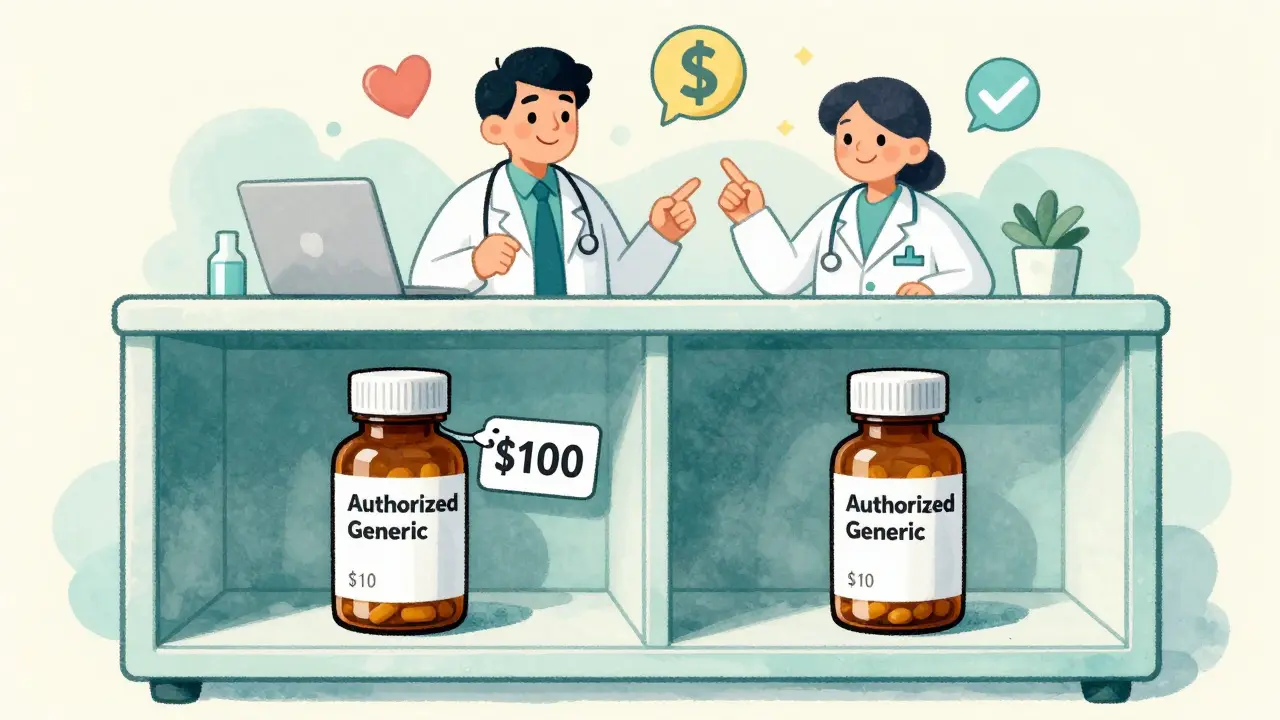
You might get the same medicine for half the price. No trade-offs. No risks. Just savings.
And if you’re a patient who’s had bad experiences with generics before - stomach upset, weird side effects, or just feeling “off” - an authorized generic might be the solution you didn’t know existed.
It’s not about tricking patients. It’s about giving them choice. And sometimes, the best version of a drug is the one made by the original company - just without the brand name.
What’s Next for Authorized Generics?
As more expensive specialty drugs - cancer treatments, rare disease therapies, injectables - lose patent protection, this strategy will grow. Manufacturers won’t just fight generic competition. They’ll control it.
Regulators like the FTC are watching. But so far, the data shows one clear result: authorized generics drive down prices. They protect patients from formulation changes. And they give brand companies a way to stay relevant without ripping off consumers.
This isn’t a loophole. It’s a market adaptation. And for patients, it’s one of the few win-win moves in pharmaceutical pricing.
Are authorized generics the same as regular generics?
No. Regular generics only need to match the active ingredient and prove bioequivalence. Authorized generics are identical in every way - active ingredients, inactive ingredients, size, shape, and even coating. They’re made by the original brand company using the same formula and production line.
Why do authorized generics cost less than the brand name?
They cost less because they don’t carry the marketing, advertising, and R&D costs of the brand name. The brand company saves money by dropping the fancy packaging and commercials. But the drug inside is exactly the same.
Can I ask my doctor for an authorized generic?
Yes. Ask your doctor to write the prescription as "dispense as written" or specify the generic name. Then ask your pharmacist if an authorized generic is available. Many pharmacies stock them but don’t always mention them unless you ask.
Do authorized generics affect insurance coverage?
Usually, they’re covered under the same tier as regular generics. Some insurers even prefer them because they’re cheaper than the brand and more reliable than standard generics. Check your plan’s formulary - many list authorized generics separately.
Is it safe to switch from a brand to an authorized generic?
Yes. Since the drug is identical, switching is safe and often recommended by pharmacists. There’s no risk of reduced effectiveness or new side effects. For drugs with narrow therapeutic windows, authorized generics are actually the safest generic option available.


8 Responses
I used to take Celebrex until my pharmacist slipped me the Greenstone generic. Same pill, half the price. I didn’t notice any difference - no stomach issues, no weird side effects. Just saved me $120 a month. Why the hell are people still paying brand prices when this option exists? Ask your pharmacist next time.
Also, if you’re on warfarin or thyroid meds? Authorized generics are the only generics you should even consider. No guesswork. Just peace of mind.
Look, I come from a country where people still buy expired paracetamol from street vendors because they can’t afford real medicine, so the idea of a pharmaceutical giant deliberately undercutting itself to preserve profit margins while pretending to be the good guy? It’s almost poetic. You’ve got a company that spent billions marketing a drug as a miracle cure, then turns around and sells the exact same thing for $3 because… well, now they’re the only ones who can. It’s not capitalism. It’s a magic trick where the rabbit is your prescription bottle and the hat is the FDA’s regulatory loopholes. And we’re supposed to cheer because the price dropped? I’ll take the $10 Colcrys, thanks - but don’t call it altruism. Call it a business model that turns patient trust into a cash register.
Also, authorized biosimilars are coming. Just wait until Humira’s clone is made by AbbVie and sold under a different label. The irony will be thick enough to spread on toast.
This actually made me cry a little. My mom has been on a brand-name seizure med for 12 years. When it went generic, she had these terrifying episodes - not because the drug didn’t work, but because the filler changed and her body reacted. We didn’t know about authorized generics until her neurologist mentioned it. She switched, and within two weeks, she was herself again. I wish more pharmacists would proactively tell patients this exists. It’s not just about saving money - it’s about not making people feel like guinea pigs every time their prescription refills.
Thank you for writing this. I’m sharing it with everyone I know.
While the economic rationale for authorized generics is both logically sound and empirically supported, one must not overlook the ethical implications inherent in the structural design of pharmaceutical patent law. The Hatch-Waxman Act, though well-intentioned, has been co-opted by corporate entities to create a pseudo-competitive environment wherein the original innovator retains de facto market control through regulatory arbitrage. This phenomenon, while legally permissible, undermines the spirit of generic accessibility as envisioned by Congress in 1984. The result is a bifurcated market: one tier for those who can navigate pharmacy systems and another for those who cannot. The solution may not lie in outlawing authorized generics, but rather in mandating transparent labeling and requiring manufacturers to disclose manufacturing origin on all prescription labels. Transparency, not profit maximization, should be the cornerstone of pharmaceutical policy.
Oh, so now the pharma giants are the good guys because they’re selling their own knockoffs? That’s rich. You call this ‘choice’? It’s a trap. They patent the drug, milk it for a decade, then drop a cheaper version to crush the real generics who actually challenged the patent. The 180-day window? That’s not a reward - it’s a bait. And the FTC’s data? Yeah, prices drop - but only because the brand company *lets* them drop. They’re not lowering prices to help you. They’re lowering them to control the market. And you’re applauding because you got a $10 pill? Congrats. You just got played by the same people who charged you $500 last year.
They don’t want competition. They want monopoly with a different label. Wake up.
Here’s the thing nobody talks about - what if the authorized generic isn’t actually made by the same factory? I mean, sure, the label says it’s from Pfizer, but who’s auditing that? I’ve seen pills that look identical but have different batch numbers, different fillers, different dissolution profiles. The FDA doesn’t require full bioequivalence testing for authorized generics because they’re under the original NDA - but that’s not the same as being identical. What if the company just changes the coating or the dye and calls it ‘identical’? And what if the ‘same factory’ is just a shell company in Puerto Rico that got bought by a subsidiary of a subsidiary? This whole system is built on trust. And trust is the one thing Big Pharma doesn’t deserve.
Also, I once got an authorized generic that gave me migraines. Switched back to brand. Gone in 48 hours. Coincidence? Maybe. But I’m not betting my health on corporate honesty anymore.
Authorized generics? More like authorized surveillance. You think they’re doing this for you? Nah. They’re tracking who switches, who doesn’t, what your insurance covers, what your doctor prescribes - all to build a profile of your health habits. That data gets sold to advertisers, insurers, even employers. The ‘cheap’ pill you’re taking? It’s got a digital fingerprint. Your pharmacy’s system logs every refill. Your doctor gets nudged by pharma reps to keep pushing the brand. And you? You think you’re saving money. You’re just feeding the algorithm.
They’re not lowering prices to help you. They’re lowering prices to make you dependent on their system. Next thing you know, your insulin will be $3 - but only if you sign up for their loyalty app and agree to share your glucose data. This isn’t capitalism. It’s a dystopian loyalty program.
Oh honey, you think this is clever? This is corporate vandalism. They don’t want you to know that the pill you’ve been taking for $200 is literally the same as the one for $12 - because if you knew, you’d never buy the brand again. So they slap a ‘Greenstone’ sticker on it and call it a ‘generic’ while keeping the brand version on the shelf like a shiny trophy. And you know what? They’re counting on you being too lazy, too confused, or too scared to ask. They’re banking on your ignorance. And guess what? It’s working. I’ve seen grandmas pay $150 for Celebrex because ‘it’s the one my doctor gave me.’ Meanwhile, the real identical version sits in the back, collecting dust because no one told them it exists.
And don’t even get me started on how they hide these in mail-order only - so you can’t even compare prices at your local CVS. This isn’t innovation. It’s psychological manipulation wrapped in a white pill.